
Dealing with garden pests and diseases is one of the biggest headaches for anyone hoping to grow healthy plants at home. Whether you tend vegetables, ornamentals, or fruit trees, pests and plant illnesses always seem to show up just when your garden is looking its best. Synthetic chemicals aren’t your only option. There are loads of effective home remedies that can keep your garden thriving without harming the environment or the helpful insects you want. In this article, I’ll share my favorite natural methods, plus some tricks I’ve used or picked up—with the aim of helping you protect your backyard crops in a way that feels good for you and for nature.
Why Go for Natural Pest and Disease Remedies?
I’ve seen chemical products work fast, but they often wipe out the helpful insects as well as the pests. Plus, they can build up in soil or water and even end up on your plate. Home remedies are gentle on pests and can boost your garden’s overall resilience. They’re handy for both newcomers and seasoned green thumbs.
Trying natural solutions first often saves money, uses materials you may already have at home, and supports a lively garden full of pollinators and healthy plants. As you get a feel for what your garden needs, you’ll spot how natural methods can add a lot to your routine.
How to Keep Pests Out of the Garden Naturally
A healthy garden doesn’t just pop up by accident. There’s some strategy behind success here. The best natural pest control depends on prevention, habitat management, and smart use of safe remedies. Here are some practical tips that are tried and true:
- Pick the Right Plants: Go for disease-resistant or native options that suit your climate. These plants are often tough enough to fend off bugs and illnesses on their own.
- Crop Rotation: Changing what you plant in each area yearly breaks up pest and disease cycles, as garden pests don’t find hosts in the same spot every season.
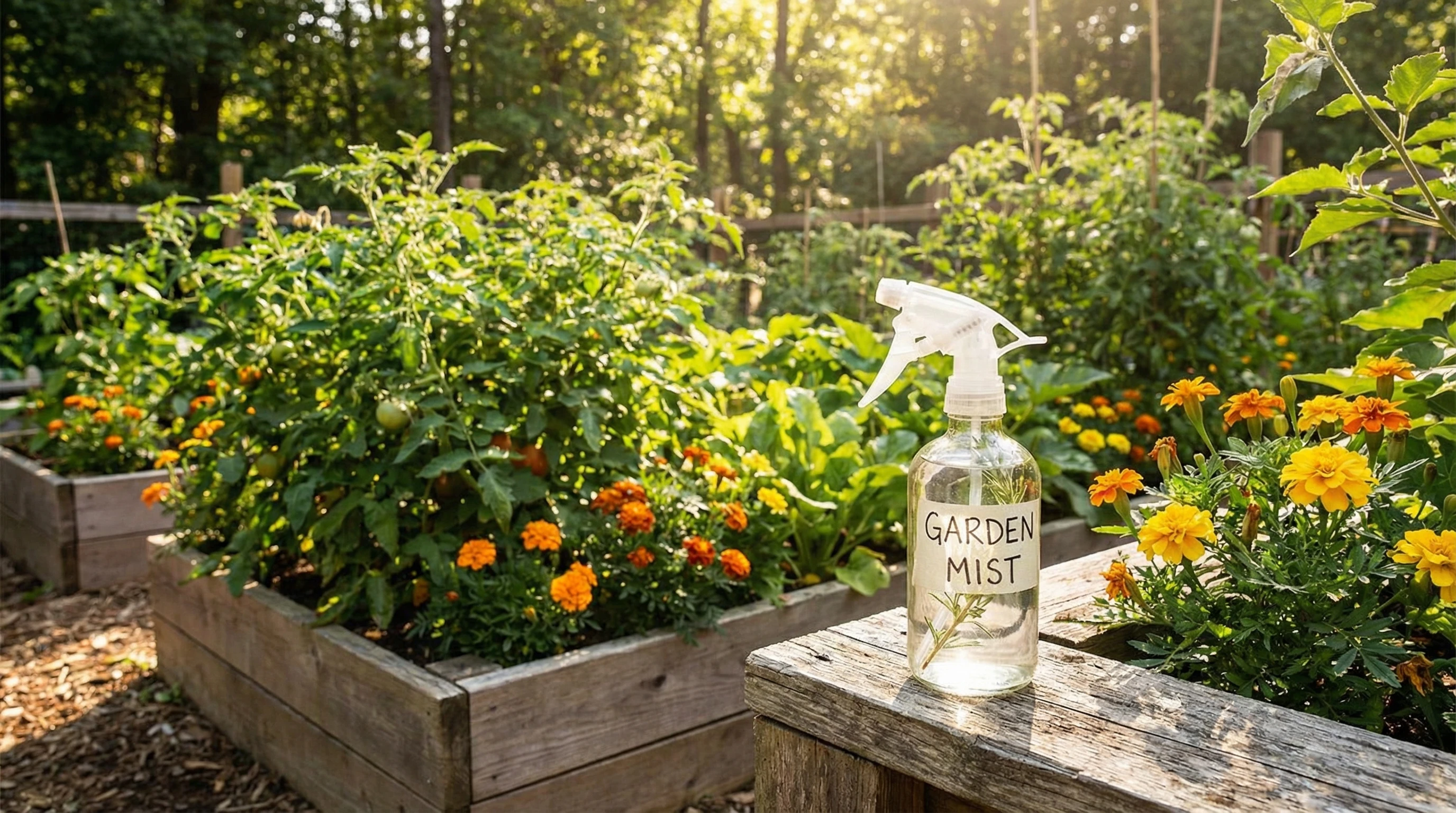
- Companion Planting: Tuck herbs and flowers among your veggies. Marigolds, basil, and nasturtiums repel pests like nematodes and aphids and attract pollinators.
- Mulch Smartly: Organic mulch, like straw or dried leaves, keeps soil moist, curbs weeds, and makes things tough for many bug pests.
- Encourage Beneficial Predators: Ladybugs, praying mantises, birds, and certain wasps snack on garden pests. Give them a reason to stop by by leaving some wild corners, setting up birdhouses, or planting nectar-filled flowers.
My Favorite Homemade Pest Control Solutions
I’m always on the lookout for pest control tricks using common household items. Making your own sprays or DIY barriers is surprisingly easy, and many gardeners trust these classic defenses:
- GarlicPepper Spray: Blend a whole head of garlic, a tablespoon of cayenne or hot pepper, and a splash of dish soap in a quart of water. Strain and spray onto leaves and stems. Aphids, caterpillars, and beetles can’t stand it.
- Oil Spray for Mites and Soft-Bodied Bugs: Stir together a cup of vegetable oil and a tablespoon of gentle dish soap. Dilute one tablespoon of this blend in a quart of water before spraying. It suffocates spider mites, aphids, and whiteflies.
- Neem Oil: Neem oil, made from seeds of a special Asian tree, has a ton of uses in natural pest control. Mix it as directed (usually about a tablespoon per liter of water and a dash of dish soap). Neem messes with insect hormones and generally leaves the good bugs alone.
- Beer Traps for Slugs: Sink a dish in the dirt and fill with beer. Slugs are attracted, fall in, and your plants stay safe.
- Eggshell Barriers: Crush up clean, dry eggshells and scatter them around delicate seedlings. The sharp bits bar slugs and cutworms from crawling in.
Always try sprays on a few leaves first. Sensitive plants can react to soaps or oils, so test before you spray the whole plant. Apply any spray in the cool hours of morning or evening—avoiding the heat protects leaf surfaces.
Natural Sprays to Keep Bugs Out of Your Garden
Sometimes, garden bugs need just a little encouragement to leave. Homemade sprays are a breeze to whip up and can help boost plant health in the process. Here are several blends that have really worked for me:
- Baking Soda AntiFungal Spray: In a gallon of water, combine a tablespoon of baking soda, a tablespoon of oil, and a bit of dish soap. Spritz on roses, cucumbers, or squash leaves to help head off powdery mildew or black spot.
- Milk Spray: Mix fullfat milk and water (one part milk to two parts water) and spray every couple of weeks. It’s especially good for choking off powdery mildew in humid climates.
- Chili Spray: Boil two chopped hot peppers in two cups of water for ten minutes, cool, strain, and add some dish soap. Spritz on baby greens or seedlings for a spicy bug barrier.
Reapply your sprays after rain or heavy dew for best effect. Any leftover spray should stay in a cool place, but it’s better to mix fresh each week.
Common Home Remedies for Frequent Garden Problems
If you grow plants at home, you’re probably running into a few of these familiar issues. These simple fixes have rescued my garden more times than I can count:
- Aphids and Whiteflies: Use a strong jet from your hose for smaller outbreaks, then follow up with garlicpepper or oil spray if needed.
- Fungal Diseases: Spacing plants out and trimming extra leaves encourages airflow, which makes fungal problems rarer. If you do see disease, whip up a quick baking soda or milk spray fix.
- Squash Vine Borers: Wrap foil around the bottom stems of squash plants. It’s a simple yet reliable guard against egg-laying.
- Caterpillars: Pick them off by hand and drop them in soapy water. You can also attract birds for natural control by leaving sunflower heads up for their seeds.
When to Use, and When to Skip, Home Remedies
Home remedies are generally safe, so use them right away as soon as you spot warning signs. I check my garden at least once a week—catching issues early always gives me the best odds. If things get out of hand, like a crop totally swamped with bugs or dying from disease, it might be time to pull and dispose of the sick plants, then switch things up with new varieties or a different plot next time.
Your best bet for lasting success is using more than one tactic. Don’t just stick with a single fix—give your garden a better chance by mixing several approaches. And if you run into real difficulties, reach out to your local garden shop or Extension Office for personalized tips.
Other Tips to Keep in Mind for a Pest-Free Garden
- Water in the Morning: Early watering means leaves dry fast, which slows down fungi growth.
- Clean Up Debris: Old or dead plant bits can hide pest eggs or disease, so clear them out regularly, especially at season’s end.
- Scout Regularly: Check your plants often. Flip leaves and inspect stems for bug clusters or eggs—the sooner you catch it, the easier to solve.
- Switch Up Sprays: Don’t stick to one spray each week. Rotating your solutions helps prevent pests from getting used to them.
Frequently Asked Questions About Natural Garden Pest Control
Question: How do you make homemade pest control for the garden?
Answer: Throw together garlic, hot pepper, and soap for a general bug spray. If you see soft-bodied insects, try oil-based sprays. Always test it on a leaf first, and reapply after rainfall.
Question: What is the best natural pest control for gardens?
Answer: Help beneficial bugs by using several homemade sprays, such as neem oil, garlic pepper, and baking soda mixtures. The health and variety of your plants play a huge role in keeping pests from taking over.
Question: What is a natural spray to keep bugs out of your garden?
Answer: Garlic pepper spray and neem oil are two of the most proven bug deterrents—mix them at home or buy ready-made. Both tackle lots of pesky insects but leave the good ones alone if used properly.
Question: How to keep pests out of the garden naturally?
Answer: Try rotating crops, growing resistant varieties, companion plants like marigolds, regular cleaning, and homemade sprays if problems pop up.
Using home remedies for garden pests and diseases can turn your yard into a lively, healthy place with less waste and better-tasting produce. Try what feels right for your setup, experiment a bit, and don’t hesitate to mix things up. Odds are good you’ll stumble upon surprisingly effective methods, and growing the natural way just feels that much more rewarding.