
February signals a fresh start in the organic garden, long before the real sprint of spring kicks in. Even though frosts still have a tight grip on most areas, there’s a lot you can do this month that makes a huge difference for the year ahead. My own February routine always sets me up for a lush, productive season, and it’s a great time to get outside for some gentle exercise and planning. Here are my practical tips and personal favorite February jobs for an organic garden in 2026.
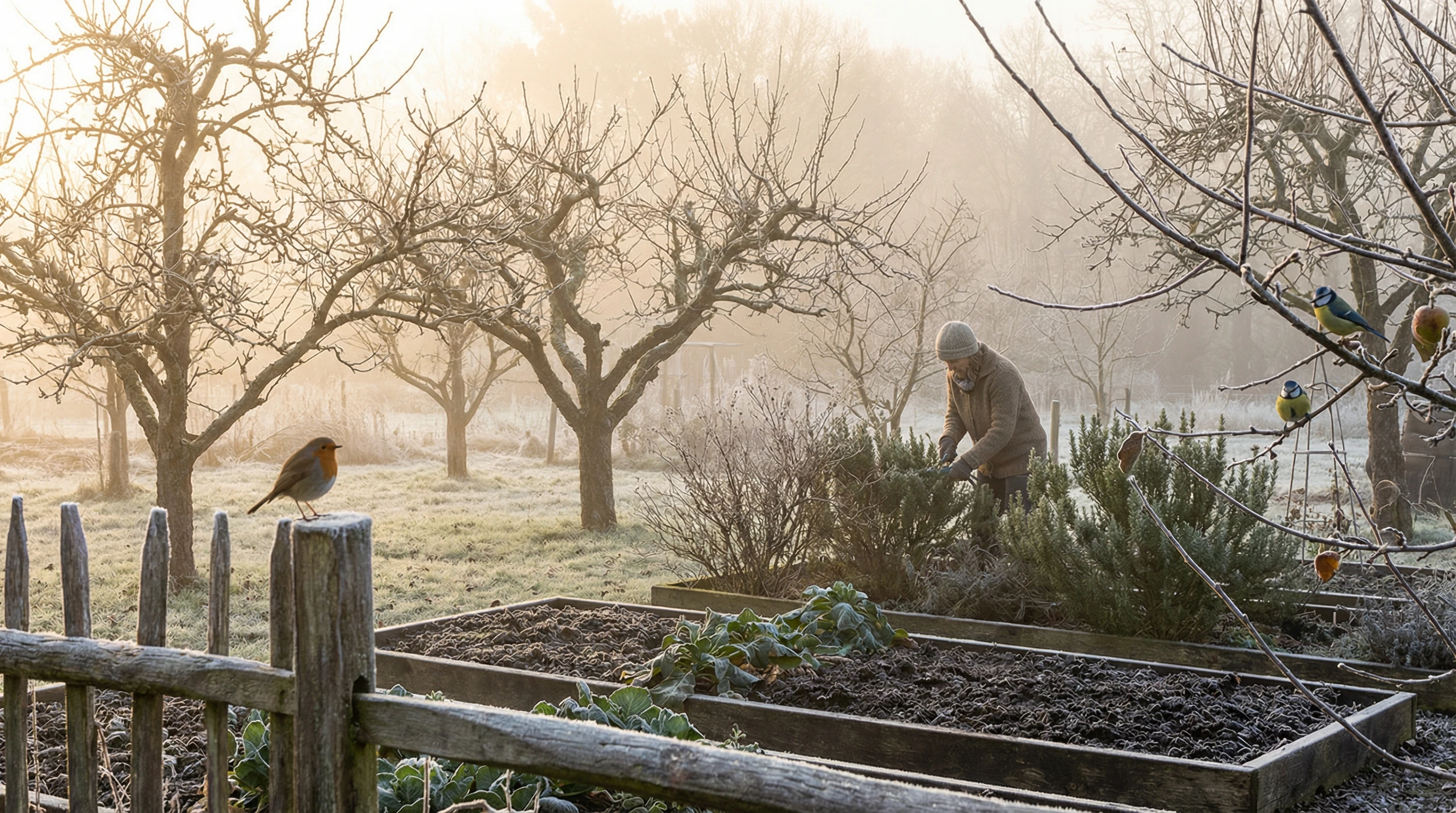
Pruning and Cutting: Kickstart Healthy Growth
This is pruning season for many trees and shrubs, especially while they’re still dormant. I always bring out my clean, sharp pruners and tackle my apples, pears, currants, and gooseberries. Removing old, dead, or crossing branches opens up the structure and helps reduce the risk of disease later. For raspberries, I cut out last year’s fruiting canes and thin out crowded spots. Roses really benefit from a tidy-up this month—avoid any major cuts if a deep freeze is coming up. And if you spot any broken or wind-damaged growth on your fruit trees or berry bushes, that’s a good fix for a crisp February day. In the same spirit, I find walking the garden daily lets me spot and address problems while they’re still minor, keeping everything on track for spring.
- Top tip: Always disinfect your tools between plants to stop spreading any hidden pests or diseases.
- What to avoid: Don’t prune stone fruit like cherries or plums now. They’ll do better with a trim after the last frost to avoid potential infections, such as silver leaf.
Dividing and Transplanting: Refresh Beds and Borders
Some of my favorite garden chores include moving and multiplying perennials. On milder days in February, it’s a fine time to dig up and divide established clumps of rhubarb, chives, and other hearty herbs. I split crowded plants with a sharp spade, making sure each chunk has healthy roots, then replant the new sections right away. If you’re working on beds of autumn raspberries, now is when you can move any new suckers popping up where you don’t want them. Gently digging up and relocating them helps keep the patch under control and boosts productivity in spring.
- Pro move: Water transplants as soon as you pop them back into the soil, even if the ground’s damp. It helps them settle faster and encourages strong root establishment.
- Dividing tip: Try lifting congested clumps of perennial flowers, such as daylilies or echinacea, if the soil isn’t frozen. This keeps your beds vibrant while reducing the risk of disease buildup.
Preparing for Spring Growth
Getting an early start on your vegetable patch is super useful, especially if you love the idea of homegrown salads or spring onions. I often sow hardy crops like broad beans, peas, and salad greens undercover or in a cold frame in late February. If you’re tight on space, old guttering or trays on a sunny windowsill also work surprisingly well. This month is also perfect for sorting through your seed packets, making a simple sowing calendar, and topping up supplies before popular varieties run out. Establishing pathways with woodchip or cardboard now helps keep garden mud outside as you move in and out more in March.
- Seed tip: Winter-grown onion sets, garlic cloves, and early potatoes can be chitted or laid out in a cool, light spot. This helps them sprout ahead of planting in March.
- Why it matters: Early sowings mean you don’t have to rush once the main season begins, and you’ll get an earlier harvest too.
Soil and Structure Care: Laying the Groundwork
This is when I feed my soil for the busy season ahead. Well-rotted compost or manure gets spread over empty vegetable beds in February. You don’t have to dig it in. The worms will do the hard work as temperatures warm up. Covering bare beds with thick cardboard or even old carpet can help block weed seeds from sprouting. I also check and fix raised beds, cold frames, paths, and fences now, as it’s much easier before everything gets busy and leafy. If you’ve got heavy or clay soils, now’s the time to fork over compacted areas or add organic matter to help improve structure before sowing starts. Adding some sand to heavy soil can make it easier to work and improve drainage.
- Quick tip: Gather up twigs and pruned branches for brush piles, which are handy for wildlife and break down slowly for future mulch.
- Soil health: Test your soil pH if you haven’t done so before. Most veggies thrive around pH 6 to 7, but blueberries need a more acidic soil, so planning around your crops pays off.
Wildlife and General Maintenance
I keep an eye out for wildlife that needs food and shelter at this time of year. Feeding birds with a mix of seeds and suet can make your garden a real hub of activity. Refresh bird baths and clean out old nesting boxes as well. If you haven’t raked up last autumn’s leaves, pile them up for hedgehogs or frogs to tuck into until it’s warmer. I also like to start checking slug and snail hideouts, like under pots and boards, so I can keep their numbers down before young seedlings go out. Watching birds is a peaceful way to observe the health and activity in your garden during this calmer month.
- Easy win: Leave some hollow stems in flower beds, as these provide safe spots for overwintering bugs and pollinators needing shelter.
- Water butts: Clean or repair them before the first big spring rains arrive. Collected rainwater is much better for watering seedlings than tap water, plus it saves energy and money for your garden in the long run.
Frequently Asked Questions: Organic Gardening in February
Here are some questions I hear a lot around this time from fellow gardeners, plus my candid answers and tips from experience.
Q: Is February too early to start sowing seeds outdoors?
A: For most of the UK and similar climates, February is still a bit cold for sowing most crops outside. Hardy broad beans and peas make an exception, but it’s better to start almost everything else indoors or under cover to avoid losing seeds to chilly, wet soil.
Q: Can I use fresh manure on my garden in February?
A: I’d only use well-rotted or composted manure. Fresh manure can be too strong and may burn your plants or encourage weed growth. If you only have fresh stuff, pile it somewhere to mature for another year. Otherwise, stick with good mature compost for now.
Q: What’s the best way to wake up my soil for spring?
A: Spreading compost or leaf mold is my top choice. Covering bare soil with cardboard or mulch also helps warm things up and keep weeds away. Plus, it protects your valuable soil organisms from harsh weather.
Q: Should I worry about pests waking up early?
A: Some slugs and snails become active on mild days. I like to find them in their hiding spots and set up traps or barriers now. Encouraging birds and frogs in your garden helps naturally keep pest numbers in check.
Extra Tips for an Organic February Garden
Over the years, I’ve picked up a few habits in February that make a real difference later on:
- Clean labels, trays, and pots with hot, soapy water to kill spores and hidden diseases lingering from last season.
- Sharpen and oil garden tools. It saves you time (and spares your wrists) once you’re back in full swing.
- Start a compost diary or garden journal to keep track of your planting, moving, or new experiments this year. It’s very helpful to look back on and spot what worked best.
- Mulching perennial beds with a little compost now can give a boost to early spring growth, helping plants burst into life when the weather warms.
February is all about steady preparation and thoughtful care. From pruning and dividing plants to caring for wildlife and tidying up, there’s plenty to keep both you and your garden in shape for the busy stretch ahead. Taking the time to get these jobs done now pays off massively once spring arrives. Your plot will thank you for all the attention come harvest time!