
Organic wine has become one of my favorite choices for both taste and health. It appeals to more than just those who care about what goes into their glass; it’s become a clear signal of respect for the environment and clean drinking. With more wineries dedicating land to organic growing, 2026 is a standout year for organic wines that balance real flavor, sustainability, and transparency.
What Makes a Good Organic Wine?
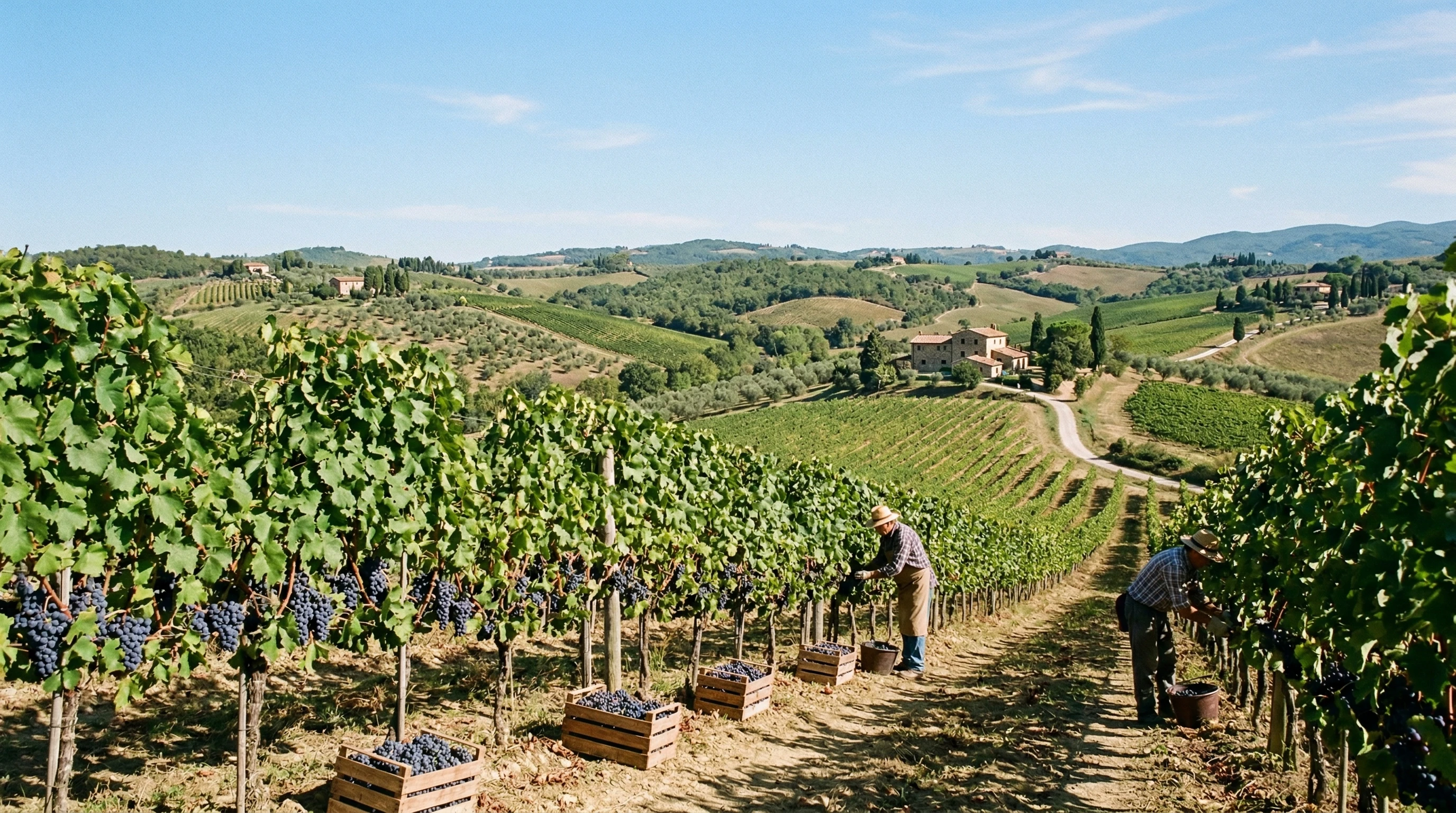
A good organic wine starts with grapes grown without synthetic pesticides, herbicides, or fertilizers. Instead, organic vineyards use compost, cover crops, and helpful insects to care for both vines and soil. In my experience, this often results in wines with clean, vibrant fruit flavors, free from chemical tastes or heavy additives.
Certification is really important here. When I see a wine labeled as certified organic, I know that every step, from how the grapes are grown to how the wine is bottled, is inspected by credible bodies. Organic wines may use only tiny amounts of added sulfites for stability, which helps those looking to avoid common wine-triggered headaches.
So, when searching for a good organic wine, I look out for:
- Certification labels: I always check for local or international organic certifications on the bottle.
- Minimal added sulfites: Organic producers usually limit these, which is great if you want a cleaner experience.
- Grape source: Estate-grown grapes and family-run vineyards often put real care into their practices, and it shows in the final wine.
Top Organic Wines to Try in 2026
I’ve tried a lot of organic wines over the years, but in 2026, a few names truly rose above the rest. Here are some favorites I think anyone interested in organic wine should try:
- Frey Vineyards Organic Cabernet Sauvignon (California, USA): This Cabernet has bold, dark fruit flavors balanced with subtle oak. Frey has led the organic wine movement in the U.S. for decades and continues to avoid all added sulfites. The wine feels vibrant and expansive on the palate.
- Château Maris Les Planels Minervois (France): Château Maris practices biodynamic farming, which is a specialized level of organics. Their Syrah and Grenache blend carries blackberry and herbal notes with a mineral finish.
- Paxton NOW Shiraz (Australia): Made without added preservatives, Paxton’s Shiraz is organic and vegan. What stands out to me is its bright, juicy taste and gentle tannins; it pairs well with grilled foods.
- La Vialla Sangiovese (Italy): I appreciate the rustic charm in this organic Sangiovese. It’s packed with sour cherry notes and earthy aromas. Plus, the family-owned estate welcomes visitors to see their organic fields firsthand.
2026 Winery of the Year: Frog’s Leap (Napa Valley, USA)
In 2026, Frog’s Leap continues to stand out as Winery of the Year. I’ve visited their estate, and what impresses me most is how they go far beyond simply meeting organic standards. Frog’s Leap uses dry-farming techniques (they don’t irrigate unless absolutely necessary), solar power, and natural pest-control methods. The wines are always lively, balanced, and honest.
Frog’s Leap’s Sauvignon Blanc and Merlot are two bottles I keep coming back to, not just for their lively fruit character but also because the whole operation is transparent about their approach. Their leadership as a model for both clean farming and community involvement makes them a top pick for 2026.
The Healthiest, Cleanest Wines
When searching for the healthiest and cleanest options, a few points matter to me: minimal or no added sulfites, no artificial fining agents, and grapes grown in truly pesticide-free conditions. Wines that meet these criteria feel lighter, don’t trigger my sensitivities, and show the region’s character more clearly.
Some of the top healthy and clean organic wines I find in 2026 include:
- Frey Vineyards Natural Red: This wine is often described as one of the purest available, thanks to zero added sulfites and strict adherence to organic standards.
- Bonterra Organic Chardonnay: Crisp, straightforward, and made from estate-grown grapes, this Chardonnay is a great example of how simple winemaking can highlight the grape’s best qualities.
- Stellar Organics No Sulphur Added Merlot (South Africa): With no sulfites added and a focus on gentle winemaking, Stellar’s Merlot is among the best in its category for those seeking a soft and clean wine.
What Wine Has the Least Amount of Chemicals?
Organic wines, especially those with “no added sulfites” or “natural wine” labeling, have the lowest levels of chemical intervention. I look for wines that state “made from 100% organically grown grapes” and have certifications from groups like USDA Organic in the United States or EU Organic in Europe.
If avoiding chemicals is important, I recommend wines from producers like Frey Vineyards, La Vialla, or Stellar Organics. They are transparent about every step, keep additives at zero or close to it, and undergo additional audits and testing throughout the year. This approach results in wines that are clean, easy drinking, and honest about what’s in the bottle.
How to Pick and Enjoy Organic Wine in 2026
Finding a good organic wine can feel overwhelming, but after years of comparing bottles, a few strategies help me enjoy the process and choose quality products. Here’s what I usually do:
- Check labeling: I always confirm organic certification and look for details such as “no added sulfites” if I want the cleanest experience.
- Ask for recommendations: At wine shops, staff are usually happy to share their own favorites. I also like to connect with small producers directly through their websites.
- Try different styles: Organic farming isn’t limited to reds or whites. I enjoy exploring organic sparkling wines, rosés, and dessert wines, as the variety can be surprising and fun.
- Pair with food: Organic wines are very versatile. A tangy organic white works well with salads or seafood, while a rustic red is great for classic pizza or pasta.
- Support small producers: Many of my best organic wine experiences come from family-run vineyards. They are open about how their wine is made and often invite questions.
The Benefits of Drinking Organic Wine
Choosing organic wine gives me confidence that I’m supporting environmentally friendly farming. These growers avoid chemical residues, promote soil health, conserve water, and often protect bees and other pollinators.
For personal health, I have noticed that organic wines tend to feel lighter on my system. While everyone’s tolerance differs, I find fewer headaches and less grogginess with wines that use minimal additives.
Challenges with Organic Wine
Organic wine isn’t without its challenges, but understanding them helps me set realistic expectations.
- Price: Organic wine can cost more. Organic farming requires more labor and risk because growers can’t rely on chemical shortcuts. However, I often find the extra quality and flavor worth the price.
- Availability: The best organic wines may not be stocked everywhere. I tend to shop online or at specialty wine shops where the selection is better, and the staff can guide me.
- Variability: Weather and soil have a bigger impact when chemicals aren’t used, so vintage differences are more noticeable. While some might see this as an inconsistency, I enjoy the adventure of tasting each year’s unique version.
Frequently Asked Questions About Organic Wines
What makes an organic wine organic?
Organic wine is made from grapes grown without chemical pesticides, herbicides, or synthetic fertilizers. The winemaking process also avoids most common additives, and strict rules limit the use of added sulfites. Certification offers another layer of reassurance for buyers.
Are organic wines healthier for you?
Many people believe organic wines are healthier because of lowered residues, fewer added chemicals, and less reliance on preservatives. While scientific evidence on health effects can be mixed, I personally feel better drinking organic wines, and many of my friends notice the same.
Does organic wine taste different?
In my experience, organic wine tends to taste fresher and cleaner, with fruit flavors coming through more clearly. There can be more vintage variation, which adds some excitement and diversity to each bottle.
What is biodynamic wine?
Biodynamic wine starts from organic but goes further, following special calendars and adding natural preparations to support vineyard health. I find that many biodynamic wines have complex flavors and an extra level of vitality, but both biodynamic and organic wines avoid chemicals.
Why Organic Wine Stands Out in 2026
Organic wine isn’t just a trend for me. It’s become a way to experience honest flavors, support winemakers who truly care for the land, and share a cleaner glass with friends. With producers like Frog’s Leap and Frey Vineyards leading the way in 2026, there’s never been a better time to explore these wines. Whether you’re looking for fuller reds, crisp whites, or sparkling options, organic wine offers choices that combine quality, taste, and a respect for your health and the environment.