
Eating organic has become a pretty hot topic in food circles over the last decade. I’ve seen grocery store shelves slowly switch up, with fresh produce and packaged snacks now proudly displaying organic certifications. Many folks are starting to swap conventional apples for organic ones, looking for better health and maybe even a cleaner planet. If you’re curious about whether eating organic can actually improve your health, you’re not alone. Here’s everything I’ve learned about what really happens when you make the switch to organic foods.
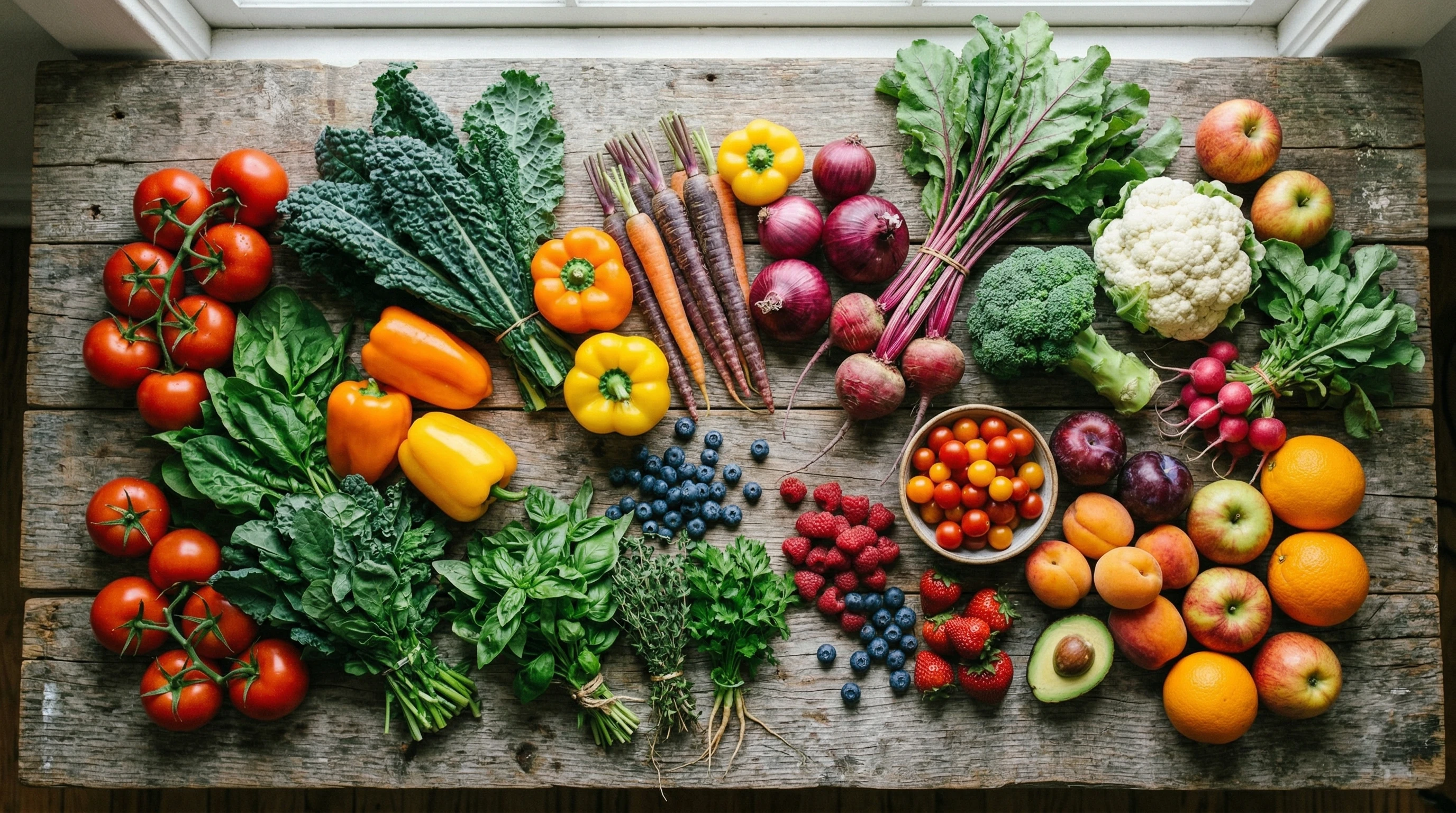
Why People Go Organic: The Basics
Organic food isn’t just a trend; it comes with a set of growing practices that are a lot kinder to the environment. Organic farmers don’t use synthetic pesticides or fertilizers, and the crops aren’t genetically modified. For meat, poultry, eggs, and dairy, organic means the animals didn’t get routine antibiotics or growth hormones.
People often turn to organic foods to reduce exposure to artificial chemicals. I also hear from plenty of folks who are worried about the impact of pesticides on their kids or who are looking for less processed food. Understanding what goes into (and gets left out of) organic food makes it easier to see why there’s so much interest in this approach to eating.
How Eating Organic May Improve Your Health
I’ve noticed a growing pile of studies touching on the actual health perks of eating organic. While not every scientist agrees on how dramatic the benefits are, there are some real upsides to making organic choices.
- Fewer Pesticide Residues: One big difference is the much lower level of pesticide residues in organic foods. Cutting down on your intake of these synthetic chemicals seems like a win for your immune system and possibly for fertility and development in kids, according to the Environmental Working Group.
- Better Heart Health: Some research suggests that organic dairy and meats have higher levels of omega-3 fatty acids, which support heart health. This comes from the way animals are fed and raised on organic farms.
- Potential Anti-Inflammatory Benefits: There’s some evidence that organic foods, especially produce, can help reduce inflammation, thanks to higher levels of antioxidants. More on that in a bit.
- Fewer Additives: Organic food standards ban a lot of artificial colors, flavors, and preservatives. This can be helpful if you’re sensitive to certain processed food ingredients.
An additional benefit that sometimes gets overlooked is how organic farming helps preserve biodiversity. Fields managed organically tend to host more pollinators like bees and butterflies—an important plus for long-term food security. By backing these approaches, you’re also choosing methods that support a healthy ecosystem, which loops back to our own well-being over time. On top of that, some people report noticing subtle boosts in digestion and energy levels after adding more organic fruits and vegetables to their daily diet, likely because of fewer artificial additives and more natural fiber.
Is Eating Organic Really Worth It?
If you’ve walked the organic aisle lately, you probably noticed the price difference. So, is the extra spending worth it? From what I’ve noticed, and backed up by organizations like the Mayo Clinic, the real value in eating organic depends on your personal goals.
If your main concern is avoiding synthetic chemicals and you eat a lot of fruits and veggies, swapping to organic can help lower your pesticide exposure. If you’re looking for a huge nutrition boost, it’s not a magic fix. The nutrient differences between organic and nonorganic foods are pretty small, but they are sometimes there, especially with antioxidants and certain healthy fats.
Supporting organic also means you’re backing farming practices that are generally better for the soil and the environment, something a lot of people care about. At the end of the day, I think if you’ve got the budget and you feel better eating organic, it’s worth it. If not, eating plenty of fresh produce, organic or not, is still a solid way to stay healthy. It’s really about making intentional choices that fit your values and health goals.
Does Eating Organic Reduce Inflammation?
Inflammation is at the root of a lot of health problems, from joint pain to heart disease. I get asked a lot if eating organic helps fight inflammation. The answer: maybe, but it depends on what else is going on in your diet.
Studies suggest that some organic foods, especially fruits, veggies, and grains, contain higher levels of certain antioxidants and polyphenols than their conventionally grown counterparts. These compounds help your body combat oxidative stress, which is linked to inflammation. Researchers at the British Journal of Nutrition found that organic crops tend to have up to 69% higher levels of certain types of antioxidants. These could help keep inflammation in check, which is especially handy if you’re aiming for long-term wellness.
Still, it’s not only about choosing organic; eating more colorful produce and whole foods (whatever the label) is what really makes the biggest difference. Organic foods just give you a little edge by skipping the synthetic extras. The real benefit comes when organic foods are part of a broader, plantheavy diet.
Is 100% Organic Really 100%?
When I see labels at the store, I always want to know what I’m really getting. The term “100% organic” on packaging means that every ingredient is certified organic. Foods labeled as just “organic” must have at least 95% organic ingredients. Both labels are tightly regulated by agencies like the USDA, but there is still a tiny chance for cross-contamination simply because crops travel, fields are close together, or equipment gets shared.
For the most part, though, 100% organic is about as close as you’ll get to a food made without synthetic chemicals, GMOs, or nonorganic ingredients. If you want the safest bet, look for the USDA organic seal and choose foods labeled 100% organic when possible.
Most Nutritious Foods to Eat Organic
I get it; going 100% organic can be tough on the wallet, so people often ask which foods really matter. Some foods, called the “Dirty Dozen,” are known for having higher pesticide residues, and these can be good ones to prioritize buying organic.
- Strawberries
- Spinach
- Kale
- Apples
- Grapes
- Cherries
But what’s the number one healthiest food to eat (organic or not)? Most nutrition pros, myself included, say leafy greens like spinach or kale are a top pick. They are packed with vitamins, minerals, fiber, and protective plant compounds, making them a great choice for health. If you can swing it, getting these greens organic helps ensure even lower pesticide exposure. When you’re building a plate, always try to toss in a rainbow of fruits and vegetables. That’s the simplest way to load up on nutrients—whether organic or conventional.
Downsides of Eating Organic Foods
Organic foods come with a few drawbacks, and I think it’s important to consider them too. Here’s what I run into most:
- Higher Prices: There’s often a noticeable gap in price between organic and nonorganic. For a big family, that can really add up.
- Limited Availability: Depending on where you live, finding organic options for everything isn’t always possible, especially out of season.
- Shorter Shelf Life: Organic produce may spoil faster since it doesn’t contain preservatives or wax coatings, so you may find yourself shopping more often.
- Variability in Certifying: While major labels like USDA Organic are strictly regulated, other certifications may be less consistent. Careful research helps buyers make informed decisions about what brands and labels they can trust.
It’s also worth saying: organic farming is not totally free of pesticides; it just uses natural or approved ones. Risks are lower, but they aren’t zero. Plus, eating only organic doesn’t guarantee a balanced diet. The big picture really comes from variety and freshness. If you’re focused on health, it makes sense to add more organic foods to your routine, but don’t let perfect be the enemy of good.
Practical Tips for Eating Organic on Any Budget
- Prioritize high-residue foods: Focus your organic spending on produce known to retain more pesticides.
- Shop local: Farmers’ markets often offer organic food that hasn’t traveled far, and sometimes at better prices. Plus, you can chat directly with growers about their farming practices.
- Buy in season: Organic foods grown in season are often cheaper, fresher, and tastier.
- Mix and match: If you can’t go all organic, combining organic and conventional produce can still help you minimize your exposure to synthetic chemicals while sticking to your budget.
- Grow your own: Planting a few easy fruits or veggies, even on a small balcony or garden patch, is a simple way to get your hands on fresh, organic food and save money. Lettuce, tomatoes, and herbs are good starters that do well in containers or garden beds.
Frequently Asked Questions
Is eating organic really better for you?
Eating organic offers a smaller risk of pesticide exposure and more antioxidants in some foods. Nutritional content is usually similar, but many feel better knowing they’re getting food grown without synthetic chemicals.
Does organic food taste better?
Some people say organic fruits and veggies taste fresher and more vibrant, which might be because they’re sourced locally or harvested earlier. It can depend on the food and where you buy it.
How do I know if food is really organic?
Look for regulated seals, like USDA Organic. Make sure the label says “100% organic” for foods made with all organic components. If in doubt, check in with the store or farmer about their certification process.
Can eating organic help with allergies or sensitivities?
For some, cutting out artificial additives, colors, or preservatives common in nonorganic foods can help if they’re sensitive to those ingredients. Still, organic foods aren’t always guaranteed allergen-free.
Final Thoughts
Switching to organic is a personal choice, and there are real benefits: you can limit your exposure to synthetic chemicals, boost your antioxidant intake, and support environmentally friendly farming. The biggest gains come from eating more fruits, veggies, and whole foods overall, so organic can just be a helpful boost in that direction. Mixing organic and conventional foods in your diet based on your priorities, whether health, taste, or values, makes this approach more practical for most people. Ultimately, focusing on freshness, variety, and balance will keep your eating habits on the right track.