
Regent is a popular grape variety that has caught the interest of both wine enthusiasts and home gardeners. As someone who enjoys learning about different grape varieties and how they affect the wine experience, I find Regent especially interesting for anyone considering growing grapes or simply wanting to try something new in their glass. Here, I’ll walk through everything I know about the Regent grape, from its key characteristics to what you can expect if you grow or taste it.
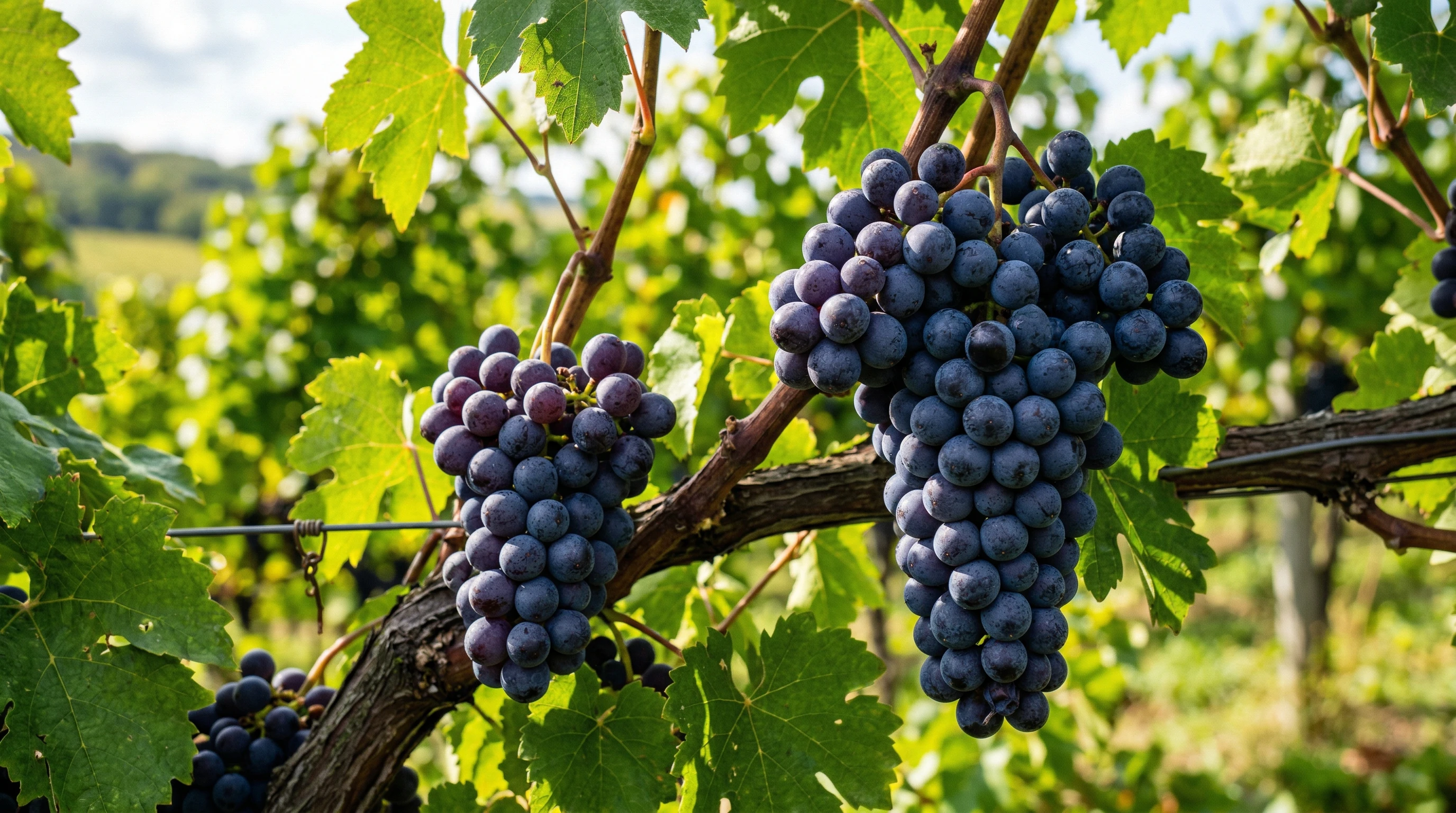
What Is the Regent Grape Variety?
Regent is a darkskinned grape variety developed in Germany in 1967. It is a hybrid, meaning it was bred by crossing standard European vine species (Vitis vinifera) with disease-resistant grape species. Regent’s parentage comes from Diana (itself a cross between Silvaner and MüllerThurgau) and Chambourcin, a French hybrid grape. This mix gives Regent its strong resilience and unique taste profile. These two grape parents bring together disease resistance, adaptability, and a flavorful punch, making Regent a stand-out in the grape world. Today, it’s widely grown in Germany, the United Kingdom, the Netherlands, and even in parts of Central Europe, such as Slovenia.
Regent grapes are mainly grown for winemaking, though some people grow them at home for fresh eating or juicing. What stands out most about Regent is its strong resistance to fungal diseases, particularly downy and powdery mildew. This makes it ideal for regions with cooler or wetter climates where traditional varieties struggle, and it is why many organic growers switch to Regent when looking for grapes that require fewer treatments.
One fun fact — Regent was recognized with Germany’s Federal Plant Variety Office’s official “Variety of the Year” award, which highlights just how much German winemakers and growers appreciate its qualities. Its history and parentage are a testament to the ongoing search for grapes that can handle challenges from both nature and winemaking preferences.
How Does Regent Wine Taste?
When poured into a glass, Regent wines show a deep ruby color, often looking almost inky and opaque. On the nose, I notice black cherry, plum, and blackberry, often with undertones of spice or a hint of vanilla when aged in oak. There might also be earthy notes, depending on where it is grown.
The taste of Regent wine leans toward medium-bodied, with smooth tannins and a good balance between acidity and fruit. I find flavors of fresh berry, dark cherry, and sometimes a hint of chocolate or licorice. The mouthfeel is supple, and the wines can be quite approachable even when young. Some winemakers use Regent to blend with other varietals, but it can hold its own in single-varietal bottles, especially when skillfully made. In my opinion, the wine’s acidity provides enough freshness, keeping it lively with food.
In blind tastings, some people compare Regent to Merlot or sometimes Pinot Noir, just with a bit more boldness in color and slightly spicier fruit notes. For food pairing, I have had good experiences with grilled meats, roasted vegetables, blue cheese, and mushroom dishes. Regent’s versatility at the table is one of its strongest features—whether you cook up a steak or a meatless main, it doesn’t disappoint.
Seedless or Not? Can You Eat Regent Grapes?
Regent is not a seedless grape. The grapes contain seeds, like most wine varieties. While you can certainly eat them fresh, the seeds make them less popular as table grapes than varieties bred for snacking. The skins are thick, and the pulp is juicy with a sweet yet tart flavor. If you don’t mind dealing with the seeds, Regent grapes can taste really pleasant, especially straight off the vine.
For many home gardeners, Regent offers the advantage of easy growing and disease resistance, but if your goal is seedless snacking, you might prefer grapes like Thompson Seedless or Himrod. Still, if you like hearty, flavorful grapes and don’t mind seeds, Regent is worth trying. It’s also packed with antioxidants because of its thick skin and dark flesh, which is an added health bonus for fans of fresh, homegrown fruit.
Growing Regent: What to Expect and Where it Succeeds
Regent vines stand out for their hardiness. They tolerate a range of climates and are less likely to require pesticides or frequent sprays. This is a welcome feature if, like me, you prefer to minimize chemical use and spend less time treating vines for disease. Regent vines are also cold-tolerant, making them a practical choice for areas with tough winters or unpredictable weather.
The grapes ripen relatively early, usually mid to late September in most regions. Regent grows well on soils that are neither too rich nor too poor; in poor soils, the vine’s vigor can be a real benefit, while in rich soils, you may need to trim and manage vine growth more actively. The more you can keep them in check, the more focused your fruit flavor is likely to be.
Another strength of Regent is its ability to bounce back from late spring frosts, which is important for home gardeners in northern climates. It has a generally upright growth habit, making it well-suited for trellising systems like Guyot or cane pruning. Even modest gardens can fit a few Regent vines without requiring much space.
Regent and Slovenia: The Best Grape Vine for the Region?
Slovenia is known for its diverse wine regions and varied climate. When it comes to which grape vine is best to grow there, Regent definitely deserves strong consideration, especially for organic or low-spray vineyards. Regent’s disease resistance means less worry about mildew during wet Slovenian summers.
However, Regent isn’t the only option. In Slovenia, traditional varieties like Rebula (Ribolla Gialla), Sauvignon Blanc, and Blaufränkisch (locally known as Modra Frankinja) also perform well. If I were choosing a vine based solely on disease resistance and ease of care, though, Regent would be on my shortlist, particularly in northern or cooler regions where fungal diseases are a bigger challenge.
Some Slovenian growers have begun incorporating Regent into their vineyards to improve sustainability. This helps reduce chemical spraying and supports organic wine production, which is becoming increasingly popular among growers and consumers. By adding Regent to Slovenian vineyards, the industry can produce bolder wines with fewer chemicals, while keeping vineyards healthy even in rainy years. For both big and small growers, this is a huge advantage.
Pros and Cons of the Regent Variety
- Disease Resistance: Regent stands up well to many common fungal problems, reducing the need for chemical treatments.
- Climate Flexibility: The vines are adaptable to a range of temperatures and can thrive in cooler regions.
- Color and Flavor: Wines from Regent are known for rich color and nice fruit-forward character.
- Seeded Fruit: The grapes are not seedless, which can bother some people when eating them fresh.
- Thick Skins: Helps with disease resistance and keeps grapes in good condition, but also makes fresh eating a bit tougher on the teeth.
- Vigorous Growth: Regent vines can grow quickly, so you may need to prune more often than with some other grape types.
- Limited Table Grape Appeal: While the taste is quite good, thick skins and seeds mean Regent isn’t a top pick for commercial markets focusing on snacking grapes.
Helpful Tips for Growing Regent Successfully
Based on home gardening experience, the best outcomes with Regent come from giving the vines plenty of sun and well-drained soil. Pruning is necessary each spring to manage growth, give air circulation to the vines, and encourage healthy fruit clusters. Because Regent is vigorous, it sometimes requires more trimming than traditional wine grapes, especially in fertile soils.
During ripening, birds can be attracted to the dark fruit, so I use lightweight netting to protect the grapes. Harvesting earlier in the season helps retain freshness and acidity in the wine or juice. If you’re fermenting at home, starting with small, clean clusters yields the best results and reduces the risk of sour rot.
Another helpful tip is to keep an eye out for leaf spotting. Even with Regent’s resistance, extremely wet weather can encourage problems if vines aren’t aired out. Strong stakes or trellises keep the vines from resting on the ground and limit moisture-related issues. If you want an easygoing grape to start a backyard vineyard, Regent is truly hard to beat.
Common Questions About Regent Grapes
Here are answers to some questions people often ask about Regent:
What does Regent wine taste like?
The wine shows deep, bold color and has flavors of dark berries, cherry, sometimes plum, and often a subtle spice. The finish is usually soft and smooth, even without much aging. I find that Regent wines don’t require a lot of aging to shine—they’re delicious both young and after a few years in the bottle.
Is the Regent grape seedless?
No, Regent grapes contain seeds. They are not bred as a seedless variety.
Can you eat Regent grapes?
Yes, you can eat Regent grapes. If you don’t mind seeds and thicker skins, the grapes taste sweet and tart. They are typically grown for wine production, but they can also be grown for fresh eating in a garden setting.
What is the best grape vine to grow in Slovenia?
This depends on the climate and what you want from your vine. Traditional types like Rebula, Sauvignon Blanc, and Blaufränkisch do very well. For those wanting easy-care, disease-resistant vines, Regent is a strong choice, especially for sustainable and organic growing.
How long does it take Regent grapes to mature?
Regent usually ripens mid to late September, making it one of the earlier red varieties. From planting, vines will typically start fruiting in year three or four.
Is Regent suitable for organic vineyards?
Yes, Regent’s mildew resistance makes it perfect for organic growers or vineyards looking to minimize sprays. This keeps the vineyard healthier and more environmentally friendly.
How Regent Compares to Other Varieties
Regent is best compared with other hybrid grapes like Rondo or Chambourcin, which are also grown for their resilience and deep color. While Vitis vinifera grapes, like Pinot Noir or Cabernet Sauvignon, are classic for wine lovers, hybrids like Regent offer simple care and steady results, especially for beginner gardeners or those in cooler climates. When tasting, Regent tends to offer more color and fruit concentration than some lighter-bodied hybrids. Its standout disease resistance and reliability mean fewer headaches and more good bottles on your table.
- Home Winemaking: Regent works well for home winemakers because of its reliability and ability to ferment into flavorful, deeply colored wines without complex techniques.
- Fresh Market: If selling at farmers’ markets, Regent can be a selling point for buyers looking for unique, hardy grape types, even if the seeds are a drawback for some.
- Cross-Regional Versatility: Regent adapts well in multiple European regions, meaning growers in various climates can make use of its strengths.
Summary
Regent is a practical, tasty, and appealing grape for home growers and small winemakers who value resilience, color, and flavor. Whether for experimental vineyards in Slovenia or as a new variety for organic gardening, it offers a blend of easy care and strong results. The bonus of disease resistance and sturdy growth makes it attractive for both beginners and more seasoned growers. Just be ready for seeds in your grapes if you eat them right off the vine, and expect lively, fruit-packed wines that bring something new to the table.