Wine is a drink with a pretty deep history, showing up in celebrations, family gatherings, and cozy dinners all around the world. With so many bottles lining the shelves, it might seem a little overwhelming at first to figure out what’s what. This guide helps break it all down, making it easier to explore and pick out the types of wine that catch your interest, whether you’re after something classic, bold, sweet, or trying out a totally new experience.
Primary Wine Categories
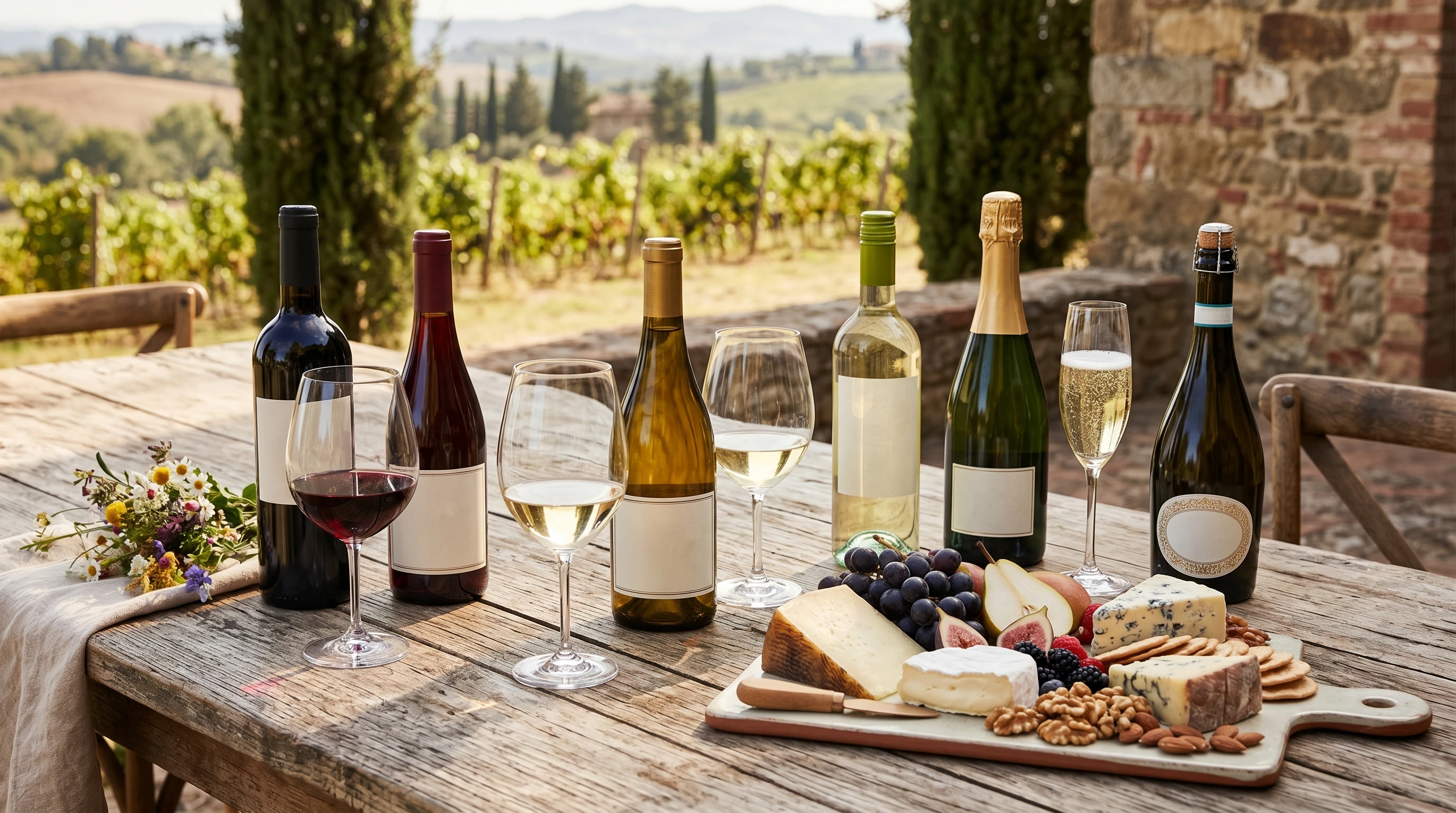
Wines generally fall into a few main groups that shape how they taste, pair with food, and when folks enjoy them. Understanding these broad categories is pretty handy when exploring or shopping for wine. Here are the main types:
- Red Wine: Made mostly from dark colored grapes with the skins left in during fermentation. This gives reds their color, body, and structure.
- White Wine: Usually made from green or yellow grapes. The skins are taken off early, which makes these wines lighter and more refreshing.
- Rosé Wine: A pink wine made by letting the grape skins sit with the juice for just a short time.
- Sparkling Wine: Carbonated wine that pops with bubbles; Champagne is the most well known type, but there’s a lot more variety worldwide.
- Dessert and Fortified Wines: Sweeter or stronger wines, made either by adding extra alcohol (as with port or sherry) or increasing the grape sugar concentration.
Learning which category a wine belongs to can give a pretty decent clue about what to expect when tasting. Each category brings its own personality, ranging from the rich, comforting flavors of red to the crisp, zesty punch of whites, or even the fun fizz of sparkling varieties. Sweet desserts and fortified wines can wrap up a meal or stand alone as an evening treat.
Important Distinctions Between Wine Types
Beyond color or bubble size, wines change quite a bit depending on the grapes used, how they’re put together, and how long they’re aged. Here are some distinctions that really help narrow things down:
- Dry vs. Sweet: Dry wines have almost no sugar, while sweet wines still have a good bit left from the grapes. Some wines (like Riesling) can be found in both styles.
- Still vs. Sparkling: Still wines don’t have those signature bubbles, while sparkling wines are fizzy and lively due to natural or added carbonation.
- Light-bodied vs. Full-bodied: “Body” describes how heavy or rich a wine feels in your mouth. Pinot Noir is a classic light-bodied red, while Cabernet Sauvignon feels bigger and heavier.
- Young vs. Aged: Some wines are meant to be drunk quickly after bottling, while others, like many reds and some whites, are best left to age for years or decades, building up new flavors along the way.
Grape variety is another detail to keep an eye on, since it makes a big difference. For example, Chardonnay and Sauvignon Blanc are both white grapes, but the wines they make are very different. If you want to dig into the world of wine further, check labels for grape type or ask staff at a wine shop to help you pinpoint a style you might love. Sometimes, just chatting about the grapes in the bottle leads you to stumble upon new favorites you wouldn’t have considered before.
Key Regional and Style Variations of Wine
Beyond the main types, wines vary widely depending on where the grapes are grown and how winemakers in different regions work. That’s where things get really interesting if you’re curious about flavor and story. Climate, soil, and tradition all play a big part in shaping the bottle you open.
Popular Wine Regions
- France: Known for Bordeaux reds, Burgundy Pinot Noir and Chardonnay, and sparkling wines from Champagne. Each region has its own traditions and grapes.
- Italy: Famous for Chianti (from Tuscany), Barolo (from Piedmont), and sparkling Prosecco (from Veneto). Italy uses hundreds of local grape varieties, many not found elsewhere.
- Spain: Best known for Rioja reds (usually from Tempranillo grapes), crisp Cava sparkling wines, and the sweet, fortified sherry wines from the south.
- United States: California is the big name, with areas like Napa Valley (Cabernet Sauvignon) and Sonoma (Pinot Noir, Chardonnay). Oregon is known for its Pinot Noir, and Washington produces strong Merlot and Syrah.
- Australia: Renowned for powerful and fruity Shiraz, plus crisp white wines like Riesling and Chardonnay from cooler regions.
- Argentina: The home base for Malbec, a bold, spicy red that’s caught on worldwide.
- South Africa: Noted for Chenin Blanc and Pinotage, both with their own unique character. South Africa’s wine culture is a blend of old-world tradition and new-world energy.
Famous Wine Styles
- Bordeaux Blend: Blends of Cabernet Sauvignon, Merlot, and other grapes, usually deeply colored and longlasting.
- Burgundy Red: Made from Pinot Noir with a silky, complex, and earthy taste.
- Barolo: A powerful red from Italy made with Nebbiolo grapes; rich, structured, and floral.
- Prosecco: Italian sparkling wine, light and fruity, perfect for casual sipping with friends or alongside appetizers.
- Rioja Reserva: Spanish red wine, aged for years to deliver deep, spicy flavors. These showcase how aging can make a huge difference.
Quick Guide to Enjoying and Exploring Different Wine Types
If you’re sampling wine for the first time or just want to branch out, a little background goes a long way. Here’s how I like to frame things for anyone starting out:
- Try Wines by Category: Taste one from each main group (red, white, rosé, sparkling, dessert/fortified) to see what you naturally lean toward.
- Compare Dry vs. Sweet: Take a classic dry style like Sauvignon Blanc and compare it to something sweet like Moscato. Spotting the differences is pretty fun and makes you more aware of what you like.
- Look at Regions: Pick a grape (like Chardonnay) and sample it from three different countries, such as France, the US, and Australia. You’ll quickly notice how climate and winemaking style impact taste and aroma, which can help you find favorites from around the world.
- Go to Tasting Events: Local wine tastings, whether at stores or city events, are a chill way to try a bunch of options without buying full bottles. Staff are usually happy to share info or make recommendations based on your tastes.
- Pair with Food: Experiment with pairing different wines with your meals. Lighter whites complement fish, salads, and veggie dishes, while robust reds work well with grilled meats and hearty stews.
Trying wine in different settings, even just at home while cooking or relaxing, builds your palate and helps you track down what styles and regions excite you most over time.
Things to Consider Before Choosing a Wine
Picking out a wine can be a lot less stressful with a few simple considerations in mind:
- Price: Great wine doesn’t have to cost a fortune. Plenty of budget-friendly bottles are tasty, especially from countries like Spain, Portugal, or Chile.
- Occasion: Is the wine for a party, a quiet night in, or a gift? A bubbly Prosecco might be perfect for a celebration, while a mellow Pinot Noir fits a cozy movie night at home or just relaxing with music.
- Food Pairing: Think about what’s on your menu. Heavier meals often work best with rich red wines, while light dishes really shine with crisp whites or rosé. Flexible wines like Pinot Grigio or Beaujolais can handle a bit of everything if you’re not sure.
- Personal Preference: There’s no right or wrong answer! Some people love sweet, fruity wines, while others hunt down the driest, earthiest reds. Exploring and keeping notes make the ride more rewarding.
Red vs. White: Common Questions
The red vs. white debate usually boils down to taste, mood, or meal choice. Here’s what stands out most:
- Temperature: Reds are often best just below room temperature, while whites (and rosé, sparkling) taste more vibrant with a good chill. Cooler temps can bring out freshness and highlight fruity notes.
- Storage: Most wine is made for immediate enjoyment, but some reds and a few whites (like good Riesling or aged Chardonnay) can develop extra layers of flavor over time when kept in a cool, dark spot.
- Aging: Generally, red wines are aged more often than whites. However, you might stumble upon whites that age gracefully and develop surprising depth, making them worth seeking out if you want to try something unique.
Advanced Tips and Tricks for Wine Tasting
Wine tasting isn’t about fancy rules. It’s really about noticing what you enjoy and picking up little details along the way. Here’s how I get more out of each glass and suggest others do the same:
Look: Take a second to check the color in your glass. Reds can range from deep purple to brick red, while whites stretch from pale yellow to golden.
Smell: Swirl the wine and breathe in. Take in scents like fruit, flowers, herbs, or even spices.
Taste: Sip and see if you spot fruitiness, sourness, sweetness, or bitterness. Over time, you’ll pick up on more subtle flavors such as vanilla, smoke, or wet stone.
Finish: This is just how long the flavors last in your mouth after swallowing. Wines with a long, pleasant finish usually stand out for their complexity and charm.
Paying attention to these details helps create your own taste memory. It’s much more enjoyable than just going by the label and gives you more confidence at the store or when sharing a bottle with friends. And don’t be afraid to write down what stood out about each wine you try—those notes come in handy!
Frequently Asked Questions
Here are some of the questions I hear most as someone who enjoys checking out new wines and sharing them with friends:
Question: Is wine always made from grapes?
Answer: Traditional wine is made from grapes, but there are also fruit wines made from berries, apples, or other fruit. These can offer totally different taste adventures if you’re open to exploring beyond the classics.
Question: How do I find out if I’ll like a wine before buying a bottle?
Answer: Read tasting notes or look for a wine bar or shop with samples. Staff at most stores love sharing favorites and recommendations, especially if you let them know what flavors or styles you enjoy. Sometimes, trying a small taste makes all the difference.
Question: Is sparkling wine the same as Champagne?
Answer: Champagne is a sparkling wine from the Champagne region of France. All Champagne is sparkling wine, but not all sparkling wine is Champagne. Look out for other great sparkling wines like Prosecco from Italy or Cava from Spain—the world of bubbly is vast and fun to explore.
If you keep exploring, trust your senses, and enjoy sharing a glass with others, you’ll soon find your favorites and have plenty of fun along the way.