
Organic wine is becoming a pretty popular pick these days, especially if you care what goes into your glass and your body. With all the fancy labels, eco-friendly buzzwords, and natural trends, it’s easy to wonder if picking organic wine truly makes a difference for your health, or if it just sounds good. In this article, I’ll guide you through how to pick a standout organic bottle, what counts as organic wine, and whether it’s really any better for you.
What Is Organic Wine?
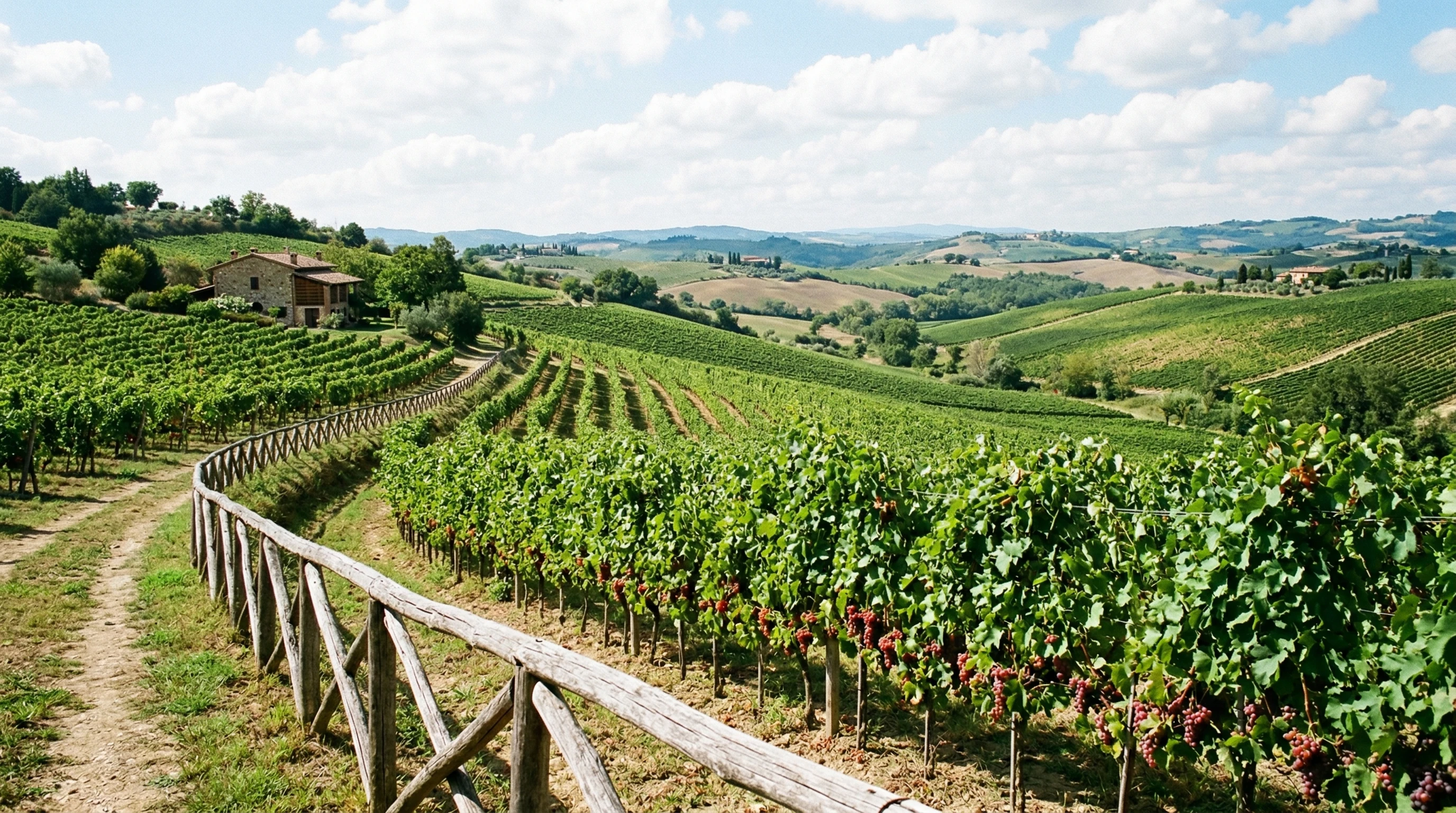
Organic wine begins with organic grapes. That means no synthetic pesticides, herbicides, or chemical fertilizers are used on the vineyard. From the soil to the final fermentation, the goal is to keep things as natural as possible. To label itself organic, the wine must be made from organic grapes, and the winemaking process must avoid artificial ingredients and added sulfites. Sulfites are often blamed for wine headaches, so some people avoid them.
The rules can vary by region. In the US, USDA Certified Organic wines can’t have added sulfites at all, while in Europe, organic wines can include small amounts. If you notice a difference in taste or how long an open bottle lasts, sulfites (or their absence) might be the reason.
Is Organic Wine Actually Better for You?
This is the big question for many people. Organic wine typically has fewer synthetic chemicals, which many drinkers feel good about. Some claim organic wine makes them feel better the next day, possibly because of fewer additives or lower sulfite levels. However, organic wine isn’t a miracle health drink. It contains alcohol like any other wine, and that part hasn’t changed one bit.
If you’re sensitive to certain chemicals or sulfites, organic wine might be easier on your system. Some people also feel more at ease knowing the drink doesn’t have extra artificial stuff. Still, science hasn’t proven that organic wine is much healthier for everyone. Ultimately, pay close attention to how your own body responds and see what works for you.
That being said, some studies suggest organic vineyards often boost soil health and keep farming methods more biodiverse. This creates an indirect health benefit for farm workers and surrounding communities—meaning it’s not all about what’s in your glass, but also the bigger picture.
How to Spot Real Organic Wine
Finding an authentic organic wine can be easy if you know what to look for. Here are a few tips I stick with when shopping or picking from a list:
- Check for certifications: Look for badges like “USDA Organic” (for the US) or the “Euro Leaf” (for wines from Europe). These symbols mean someone has double-checked the wine’s organic status and practices.
- Read the label details: Some bottles say “made with organic grapes.” In this case, the grapes are organic, but the winemaking process might not be 100% organic. “Organic wine” means both the grapes and the process meet strict guidelines.
- Sulfite info: If a wine is certified organic in the US, it will usually say “no added sulfites.” In Europe and beyond, organic wines can still contain some sulfites, just less than standard wines.
Watch out for labels that read only “natural” or “sustainably grown.” These aren’t regulated in the same exact way. For guaranteed organic standards, certifications are your safest bet.
Why Bother With Organic Wine?
There are plenty of reasons to try organic wine. Supporting organic grape growers helps promote eco-friendly farming, leading to healthier soil and reduced environmental impact around vineyards. It can even provide a better home for wildlife.
For people concerned about what’s in their drinks, organic wine usually means fewer chemical residues and fewer artificial additives. Some fans find it tastes fresher or offers more expressive flavors, since organic vineyards often take a hands-on, small-batch approach.
There’s a sense of place (that wine word “terroir”) that some say comes through more in organic wine. Of course, preferences will vary, but tasting wine from a range of organic producers is the best way to track down a style you love and see if you notice a difference.
Additionally, choosing organic supports winemakers who skip shortcuts and invest in the long-term health of the land. This not only affects the quality of the wine but also the farming communities and the environment as a whole.
What to Keep in Mind When Buying Organic Wine
Choosing organic wine isn’t much different from any other wine, but there are some tips to make your selection smoother—and your glass tastier.
- Region: Some regions are powerhouses for organic or biodynamic wine. France, Austria, Italy, California, and Chile are great starting points, but you can find organic wine around the world.
- Grape type: Stick with grapes you already enjoy and look for organic versions. Classics like Sauvignon Blanc, Merlot, and Pinot Noir are all available organically.
- Producer reputation: Some winemakers specialize in organic or low-intervention methods. Do a quick online search, or ask for staff recommendations—wine shop workers and sommeliers usually love helping with this.
- Vintage: The year can matter, especially for organic reds that age differently without added sulfites. A fresher vintage might be more enjoyable if you like a brighter style.
- Price: Organic wines once had a high markup, but nowadays, you can find plenty of great bottles under $20 or $25. The value is better than ever.
Don’t shy away from asking questions in wine shops, reading producer notes, or looking up quick reviews online. People in the wine world are eager to point curious drinkers toward their favorite organic finds.
Is Organic Wine Hard to Find?
Organic wine is not just marketing—it’s widely available. Nearly every major wine-producing country has solid organic choices, and many supermarkets, specialist stores, and online shops stock multiple organic options. Some notable brands include Frey Vineyards (US), Domaine Huet (France), and Emiliana (Chile). Even larger wine brands are putting organic bottles out there, so you’ll see more on shelves than ever before.
You can find organic sparkling wine, rosé, reds, and whites to fit any preference or budget these days. Plenty of new winemakers enter the organic scene annually, so options are constantly growing.
Challenges With Organic Wine
- Availability: Smaller producers still lead this space, so some bottles may be trickier to track down depending on your area.
- Price: Some organic wines still cost a bit more, but prices have become more reasonable compared to just a few years ago.
- Consistency: Less intensive winemaking means flavors may vary from year to year or bottle to bottle. Some drinkers love the surprise, while others prefer more predictability.
- Shelf life: Without added sulfites, some organic wines—especially whites and rosés—may not store as well. Check bottle dates and storage tips when buying and enjoy sooner rather than later.
I like to stick with well-stocked wine shops or reputable online retailers, since they know how to store bottles correctly and can offer more info on which ones last longest or taste best for your needs.
What’s the Healthiest Wine?
If you’re looking for a wine with health benefits, reds like Pinot Noir and Cabernet Sauvignon often come up, as they have higher levels of antioxidants (like resveratrol). Organic reds, especially those without added sulfites, can be appealing to anyone who wants to skip extra chemicals.
Dry reds and dry whites—organic or not—are usually considered “healthier” because they tend to have less sugar. Just remember that moderation always wins; too much wine will outweigh any positives.
Some nutritionists also point out that skin contact in red winemaking adds extra polyphenols, which can offer a modest health benefit. But no wine is a health tonic, so keep things in perspective and enjoy it as part of a balanced lifestyle.
Simple Guide to Picking a Good Organic Wine
- Decide your style: Red, white, sparkling, or rosé? Start with what you enjoy most.
- Look for certifications: Only rely on clear badges like USDA Organic or EU Organic.
- Ask for staff help: Get recommendations—staff usually love sharing their favorite organic picks.
- Try new producers: Many smaller wineries have interesting organic bottles that show what this category can offer.
- Keep a wine journal: Make notes about what you loved (or didn’t). This will help you get a sharper sense of your own tastes.
Trying organic wine is partly about supporting sustainable farming and partly about enjoying new flavors and stories. You just might stumble upon your next favorite bottle—and feel good about where it came from.
Frequently Asked Questions
Question: Is all organic wine sulfite-free?
Answer: Not always. In the US, “organic wine” can’t include added sulfites. In Europe and other regions, organic wines can be in small quantities. Check the label if you’re sensitive to sulfites.
Question: Does organic wine taste different?
Answer: Sometimes! Some people say organic wines are “cleaner” or “fresher,” while others might not spot a difference. Personal taste matters most, as does the winemaker’s approach.
Question: Are affordable organic wines available?
Answer: Absolutely. Each year, more reasonably priced organic bottles pop up—look in the $10 to $25 range for excellent finds.
Question: What about grape variety—are there organic options for all?
Answer: Nearly every trending grape variety (like Cabernet, Chardonnay, Pinot Noir) has an organic counterpart these days.
Bottom Line
Organic wine is now easier than ever to find, supports eco-friendly farming, and can offer clean, expressive flavors. While it might be a bit better for you with fewer chemicals, it’s not a health cure-all. Ask for recommendations, read labels, and taste a few different bottles—jumping into organic wine can add a lot of fun and variety to your wine adventure.