
If you’ve ever sipped a sweet, floral wine and wondered how honey fits into the picture, you’ve probably come across honey wine, or as it’s more commonly called, mead. This classic drink has roots that go way back in history, popping up in stories and celebrations from ancient times all the way to modern homebrewing kits. I’m going to break down exactly what honey wine is, how you can make your own, and cover the details people most often ask about this fascinating beverage.
What Exactly Is Honey Wine?
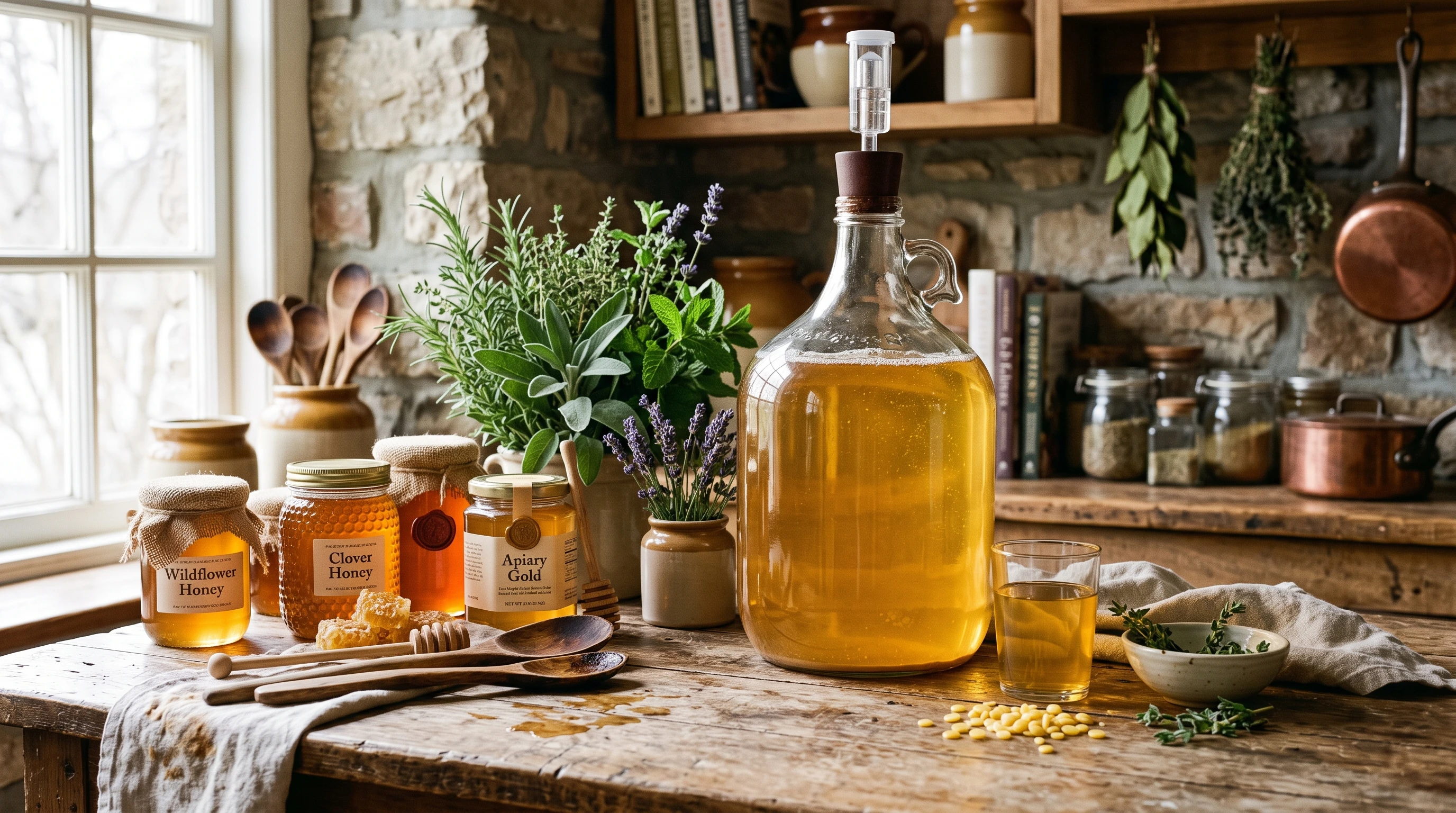
Honey wine is basically an alcoholic drink made by fermenting honey with water. Yeast is added, which consumes the sugars in the honey and produces alcohol and carbon dioxide. If you’ve heard the word “mead,” you’re not alone; these two names are often used for the same drink. Just like grape wine comes in wide varieties, honey wine can be made sweet, dry, still, or sparkling, depending on your recipe and taste.
The basic idea is simple, but mead can get really creative. You can toss in all kinds of spices, fruits, or herbs for extra flavor. Some people prefer a dessert-style syrupy mead, while others chase a crisp, dry finish. However you spin it, honey wine gives off those unmistakable notes of wildflowers, citrus, and earthy sweetness. People are surprised by how much variety you can get from such basic ingredients, and each batch captures something a little different depending on the honey, technique, and add-ins you use.
Quick History of Honey Wine
Mead claims a special place in history as one of the world’s earliest alcoholic drinks. Evidence of honey fermentation goes back at least 4,000 years, showing up everywhere from Ancient China to Nordic and Celtic cultures. Back then, honey was a prized sweetener before sugar took over, so it made sense that people turned it into booze.
Many think of mead in connection with Vikings or medieval banquets, and those cultures indeed loved their honey wine. Even today, mead features in weddings, holidays, and themed festivals all over the globe. In recent years, the craft beverage boom brought mead back in a big way, with small producers and DIY brewers getting creative with all sorts of flavors.
The rise of homebrewing and farm-to-table movements has also helped folks stumble upon traditional recipes and experiment with new twists. Now you’ll spot mead at renaissance fairs as well as high-end restaurants.
How to Make Honey Wine at Home
Making honey wine at home is a pretty straightforward process, and you don’t have to be a brewing whiz to get started. Here’s a basic guide for a one-gallon batch, enough to give you a taste of the tradition without needing a medieval cellar.
- Gather Your Gear: You’ll need a one-gallon glass jug (carboy or demijohn), fermentation lock/airlock, funnel, large spoon, brewing sanitizer, and bottles for the finished mead.
- Ingredients: For a simple recipe, round up:
- 3 pounds pure honey (raw or pasteurized work fine)
- 1 gallon clean or filtered water
- Wine yeast (like Lalvin D47 or EC1118, usually found at homebrew stores)
- Optional: berries, citrus peel, or spices like cinnamon, ginger, or cloves
- Sanitize, Sanitize, Sanitize: Cleanliness really matters here. Wash and sanitize all your equipment. Any leftover soap or unwashed items can let in weird bacteria you really don’t want in your wine.
- Mix the Must: Pour your honey into the jug, then add a small splash of warm (not hot!) water to help the honey dissolve. Stir until it’s fully mixed, then top up with more water until you hit the gallon mark.
- Add Yeast: Check that the must (that’s what winemakers call the honey-water mix) is at room temperature, then sprinkle in your wine yeast. Swirl gently to mix.
- Seal and Wait: Attach an airlock to let gases out and keep air and bugs from getting in. Set the jug in a cool, dark place, ideally around 60–75°F.
That’s really all you need for a basic honey wine. If you want to infuse other flavors, drop your fruit, spices, or herbs into the jug with the honey before fermentation kicks off. Letting the mix sit longer with these extras gives the drink more flavor, but it’s not required.
Once you get the basics down, you can experiment by blending different honeys, adjusting fermentation times, or even trying bottle conditioning to make a sparkling batch. Don’t worry about messing up; each attempt teaches you something new.
How Long Does Honey Wine Take to Ferment?
Honey wine is not a quick fix; it’s a hobby that teaches a little patience. Primary fermentation usually takes anywhere from 2 to 6 weeks, depending on temperature, ingredients, and yeast type. You’ll know primary fermentation is done when the bubbling slows way down, and the liquid starts to clear.
Most folks recommend racking (transferring) the mead to a clean jug once fermentation finishes. This helps separate the clear drink from yeast sediment. It then ages, sometimes just another month, sometimes up to a year for smoother finishes. So, if you’re looking to whip up mead for a party next weekend, you’ll want to start early!
After the aging process, don’t be afraid to taste a small sample. If it tastes too young or sharp, give it more time. Sometimes mead really shines after six months to a year of mellowing in the bottle.
How Alcoholic Is Honey Wine?
The booze level in honey wine depends on the recipe and the yeast you pick. Classic meads usually clock in between 7% and 14% alcohol by volume (ABV). If you want a lighter, slightly sweet wine, you’d aim for the lower end. If you prefer something closer to wine or strong cider, you can find meads that push toward 15% or even higher with special yeast and serious amounts of honey.
The more honey and the hungrier the yeast, the more alcohol you’ll end up with. It’s pretty easy to tweak your recipe and fermentation time to get the style you want. Always remember to check alcohol levels before bottling; there are simple hydrometer tools that help track this at home and keep your batches consistent.
Is Honey Wine the Same as Mead?
In most cases, honey wine and mead mean the same thing. Mead is just the older, traditional name. Some winemakers use “honey wine” to describe sweeter, winelike versions of mead, while “mead” sometimes gets used for the quicker, fizzier stuff. For regular drinkers, though, the difference is basically just in the label. When you see mead or honey wine on a bottle, you’re looking at an alcoholic drink made from fermented honey and water, sometimes jazzed up with fruit or spice flavor.
Is Mead Healthier Than Honey Wine?
I get this question a lot, but it’s a bit of a trick—you’re asking about two names for pretty much the same drink. Both mead and honey wine share similar ingredients and benefits. As an alcoholic beverage, both are best enjoyed responsibly. Honey brings in small amounts of vitamins, minerals, and antioxidants, but drinking mead or honey wine is more about the experience than major health perks.
If you want to keep things as healthy as possible, avoid recipes with lots of added sugar or artificial flavors, and keep it homemade so you know exactly what’s in your glass. For anyone interested in trace nutrients, using raw, unfiltered honey may provide a tiny boost in certain minerals and enzymes, but remember, moderation is key.
Common Challenges When Making Honey Wine
As with any homebrewing hobby, honey wine has its own quirks. The biggest hurdles tend to be getting the balance of sweet and dry just right, waiting out the long fermentation, and making sure you keep everything clean to avoid off-flavors or contamination.
- Fermentation time can test your patience. For richer flavors, longer aging is worth it.
- Sterility is really important. Sanitizing every bit of equipment keeps wild yeasts and funky flavors out of your final drink.
- Sourcing good honey makes a big difference. Local, raw honey gives extra character compared to the processed stuff.
- Temperature matters. Fermenting at too warm or too cold a temperature can mess with the flavor and clarity. Stable room temperature usually works best.
Learning to judge when the mead is ready is a skill that comes with experience. Some brewers use taste tests, while others rely on hydrometers to decide when fermentation is truly finished.
Tips for Great Honey Wine
- Tweak your honey type. Orange blossom, clover, buckwheat, or wildflower honey all give slightly different tastes. Try a few batches with different varieties to track down your favorite flavor.
- Don’t overdo the extras. Start with a classic batch before experimenting with fruit or spices; you’ll learn what you like.
- Track your process. Keeping notes on what you did, including yeast brand, aging time, and temperature, helps dial it in for next time.
- Use clean spring water if possible. Tap water with high chlorine levels can affect fermentation, so filtered or spring water works better.
- Be patient. Rushing your mead may lead to a harsh taste. Giving it time to mature will pay off in a smoother, more balanced honey wine.
Frequently Asked Questions About Honey Wine and Mead
Is mead very alcoholic?
Mead can be as gentle as a cider (around 7% ABV) or pack the punch of strong wine (up to 14-18% ABV). The alcohol is determined by how much honey you use and how long you let it ferment.
How alcoholic is honey wine?
Honey wine’s alcohol content falls between 7% and 14% on average, but some homemade or commercial styles hit 18% or more with specialty yeasts and big honey additions.
How long does honey wine take to ferment?
Primary fermentation usually finishes in 2 to 6 weeks. Some people prefer to let it age for a few months or even up to a year for a smoother, clearer taste.
Is honey wine the same as mead?
Pretty much, yes. Both names are used for alcoholic drinks made from fermented honey and water, though some labels use “honey wine” for sweeter or winelike meads.
Is mead healthier than honey wine?
They’re the same drink, so the health impact is the same. Honey-based drinks like mead may have trace vitamins or antioxidants, but alcohol should always be enjoyed in moderation regardless of the name.
How to make honey wine?
Mix honey and water, add yeast, let it ferment for a few weeks, rack and age, then bottle and enjoy. More detailed recipes include steps for adding flavors or tweaking the style, but that’s the basic process.
Making honey wine at home is a fun, flexible project. Once you nail down the basics, it’s easy to personalize based on your favorite flavors and style. Plus, nothing beats sharing a bottle you brewed yourself with friends and family. Whether you like it dry and floral or sweet and spiced, there’s a mead style for everyone willing to try. With a little patience, quality honey, and some simple equipment, you’ll craft a drink with history and character in every glass.