
Spring is truly a lively season in the vineyard. Grapevines wake up, bursts of green start spreading over the rows, and there’s a lot of work that goes on behind the scenes to make sure the vines produce the best grapes possible in summer and fall. If you’re curious about what actually happens between April and June in a vineyard, here’s how spring sets the pace for a healthy and productive season.
Spring Vineyard Overview: A Season of Growth and Preparation
When folks mention working in a vineyard, the word “vineyard worker” might come to mind. In the wine industry, you’ll also hear the term “viticulturist” for someone who specializes in grape growing, or “vineyard manager” for the person calling the field shots. No matter the title, their job changes a lot with the seasons, and spring is when things really ramp up.
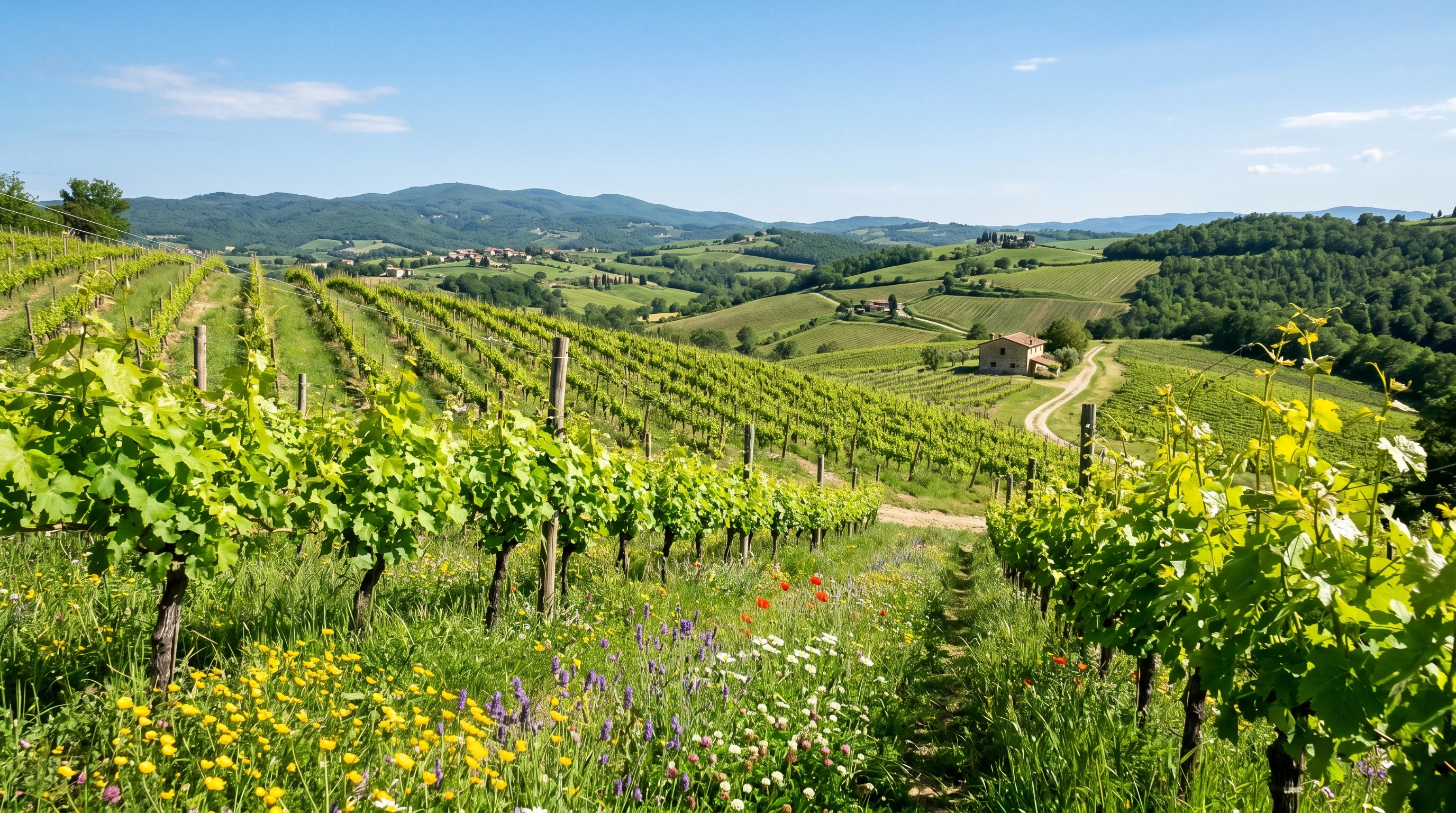
Spring in the vineyard looks completely different from winter’s bare vines or fall’s heavy clusters of ripe grapes. Rows fill with new shoots and light green leaves. The air carries a fresh scent, the grasses grow under the vines, and there’s a sense of everything gearing up after the sleepy winter months. This season is really important because what happens now sets the groundwork for grape quality and quantity at harvest.
What Happens in a Vineyard During Spring?
Spring jobs in the vineyard keep everybody on their toes. From April through June, the main idea is to nurture young growth, protect the upcoming fruit, and tackle problems before they get big. Here’s a straightforward breakdown of core spring tasks:
- Pruning wrap-up: Any late pruning or touch-ups missed during winter get finished quickly. Pruning shapes the vine and controls how much fruit it will eventually produce.
- Bud break monitoring: This is when buds swell and burst open, sending out new shoots. Vineyard workers keep a close eye on frost risks and watch for signs of uneven growth.
- Trellising and tying: Fresh shoots are fragile, so tying them to support wires keeps them safe from wind and damage. This also encourages shoots to grow upright for best sun exposure.
- Weed management: Spring weeds come up fast. Mowing, handweeding, or using cover crops all help keep things tidy and stop weeds from competing with the vines for water and nutrients.
- Early disease and pest control: Mild, wet spring weather is perfect for fungal infections like powdery mildew. Preventative sprays and careful checks help stop problems before they spread.
- First fertilizer: With new leaves using a lot of energy, spring is a good time for the first round of nutrients, especially nitrogen to give a boost to early growth.
Each vineyard is different. What you see in a cool-climate French vineyard in May won’t be quite the same as a sunbaked patch in California, but the basic spring needs are pretty universal.
Seasonal Nature of Vineyard Work
People sometimes wonder if vineyards are seasonal, and the quick answer is yes; very much so. The type of work varies widely depending on the time of year. During spring, with all the rapid vine growth, there’s usually more routine fieldwork and a bigger need for extra hands. Early mornings aren’t rare, and sometimes work goes into the weekend to stay on schedule.
The busiest times are spring and harvest in late summer or early fall. Winter slows down a lot, with work focused on pruning and maintenance, while spring brings the energy and hustle to get everything growing in the right direction. This rhythm shapes both the everyday routine and the long-term planning for grape growers around the world.
Breaking Down Key Jobs from April to June
There’s a pretty solid routine vineyard workers follow each year, but spring always throws in a few surprises. Here’s a more detailed look at the core jobs that happen each month, giving a sense of how the workload shifts as the weeks pass and the vines gain new life.
April: Pruning, Bud Break, and Protection
- Final pruning: Any unfinished cutting from winter gets wrapped up before vines become too active. Late pruning can even help delay bud break in frost-prone areas.
- Frost watch: Early shoots are super sensitive to cold. Wind machines, sprinklers, or even portable heaters might get used if a freezing night is on the horizon.
- Bud rubbing: Workers might remove extra buds or shoots by hand (“rubbing”) to make sure growth is focused where it’s needed most.
May: Tending New Shoots and Managing Weeds
- Shoot positioning: As the green canes reach a few inches, workers gently tuck and tie them along trellis wires so they grow straight and get enough sunlight.
- Leaf removal: In some spots, a few young leaves get stripped away from the trunk base to open space for air and reduce fungus risk.
- Weed control: More mowing and weeding happen this month, as spring moisture makes grass and weeds grow fast.
- First sprays: Treatments (often organic or conventional fungicides, depending on the vineyard) go out to prevent powdery and downy mildew or common insect pests.
June: Flowering, Early Crop Decisions, and Disease Defense
- Flowering: Small, greenish grape clusters bloom. Weather during flowering is really important, so rain or wind now can affect how many berries set for harvest. Quiet sunny days are ideal.
- Thinning: In high-yield spots, some clusters or shoots might get thinned out so the remaining grapes can ripen better later.
- More shoot positioning: Growth doesn’t slow down. New shoots are tied again if needed, so the canopy stays even and not too crowded.
- Ongoing health checks: Fungal disease pressure often peaks as humidity rises. Vineyard teams scout daily and step in fast if there are signs of mildew, rot, or pests.
Throughout these three months, vineyard managers keep close records, walk the rows, and sometimes use technology (like weather sensors or drones) to monitor changes. It’s about staying flexible and keeping the vines healthy to avoid headaches later in the year. This focus on adaptability and problem-solving makes spring work both challenging and rewarding for team members.
Factor in Your Local Weather and Grape Varieties
Spring jobs aren’t exactly the same everywhere. The local climate, grape type, and even the age of the vines all play into day-to-day work. Cooler areas may experience later bud break and a greater frost threat, while sunny spots might need to fight off earlier weeds and disease. Some white grape varieties get started earlier, while reds can lag in their spring growth. Experience and knowing your own patch of vines makes a big difference here, which is why having someone who’s worked years in that specific vineyard always proves helpful. It’s not just about following a checklist; it’s about reading the land and understanding the quirks of each season as they come.
Challenges and Tips for Spring Vineyard Work
- Watch the weather: Weather can switch up plans overnight during spring. Having backup strategies for frost and rainfall saves the season’s progress.
- Balance nutrients: It’s tempting to give vines lots of fertilizer to pump up growth, but too much can mean big leafy vines and poor grapes. Testing soil and paying attention to vine growth helps keep things just right.
- Keep equipment ready: Tools like pruners, tying tape, and tractor attachments need regular checks. Any downtime in spring can stretch simple jobs out for days.
- Teamwork matters: With so many hands-on jobs (like tying shoots or pulling weeds), having a trained seasonal crew makes spring work smoother and more enjoyable. People often form solid bonds working long hours together, sharing tips, stories, and a few laughs along the vineyard rows.
Learning vineyard routines can feel like a puzzle at first, but everyone figures out their own rhythm with time on the job. Safety, conversation, and always carrying a water bottle are simple ways to handle those long spring shifts. Over time, even challenging moments become part of the satisfaction of nurturing a vineyard through its most energetic season.
Frequently Asked Questions
What’s a person who works in a vineyard called?
A vineyard worker is the general term, but in the industry you’ll hear “viticulturist” for grapegrowing specialists and “vineyard manager” for the person in charge of the entire production.
What do vineyards look like in spring?
Vineyards in spring show rows of vines with bright green shoots and leaves, wildflowers between the vines, and often a buzz of activity from people tending the rows. The land looks fresher and livelier than in winter, full of promise for the vintage ahead.
What happens in a vineyard in spring?
This time of year covers everything from finishing pruning to managing weeds, tying new shoots, starting disease prevention, applying fertilizer, protecting against frost, and prepping for flowering. It’s all about supporting fresh growth and preventing problems down the line.
Are vineyards seasonal?
Yes. Vineyard work varies throughout the year. Spring and harvest are the busiest, with winter focused on maintenance and slower jobs like pruning. Every month brings its own tasks.
Why Spring Work Really Matters
Getting these jobs done well now pays off when grapes ripen later. Healthy growth, even canopies, and managed pests mean tastier fruit and better wine. Whether you’re managing a big operation or just starting out on a small plot, spring is where the growing season really gets started. Good spring work lays the foundation for quality throughout the year, helping set the stage for a successful harvest and even better bottles of wine down the road.
It’s a hands-on, pretty rewarding time to work in the vineyard, and even if things get hectic, there’s nothing like seeing fresh green stretches of vines under a clear spring sky. That’s when you know the coming year’s vintage is truly on its way and all the effort starts to feel worthwhile.