
If you enjoy cocktails or love experimenting with homemade drinks, understanding how vermouth is made can open up a whole new world of flavor possibilities. Vermouth isn’t just a mixer for martinis or negronis; it has its own set of flavors and traditions worth knowing about. I’m going to break down the core techniques used to craft vermouth, along with some handy facts, so you can get a real sense of what goes into this classic fortified wine.
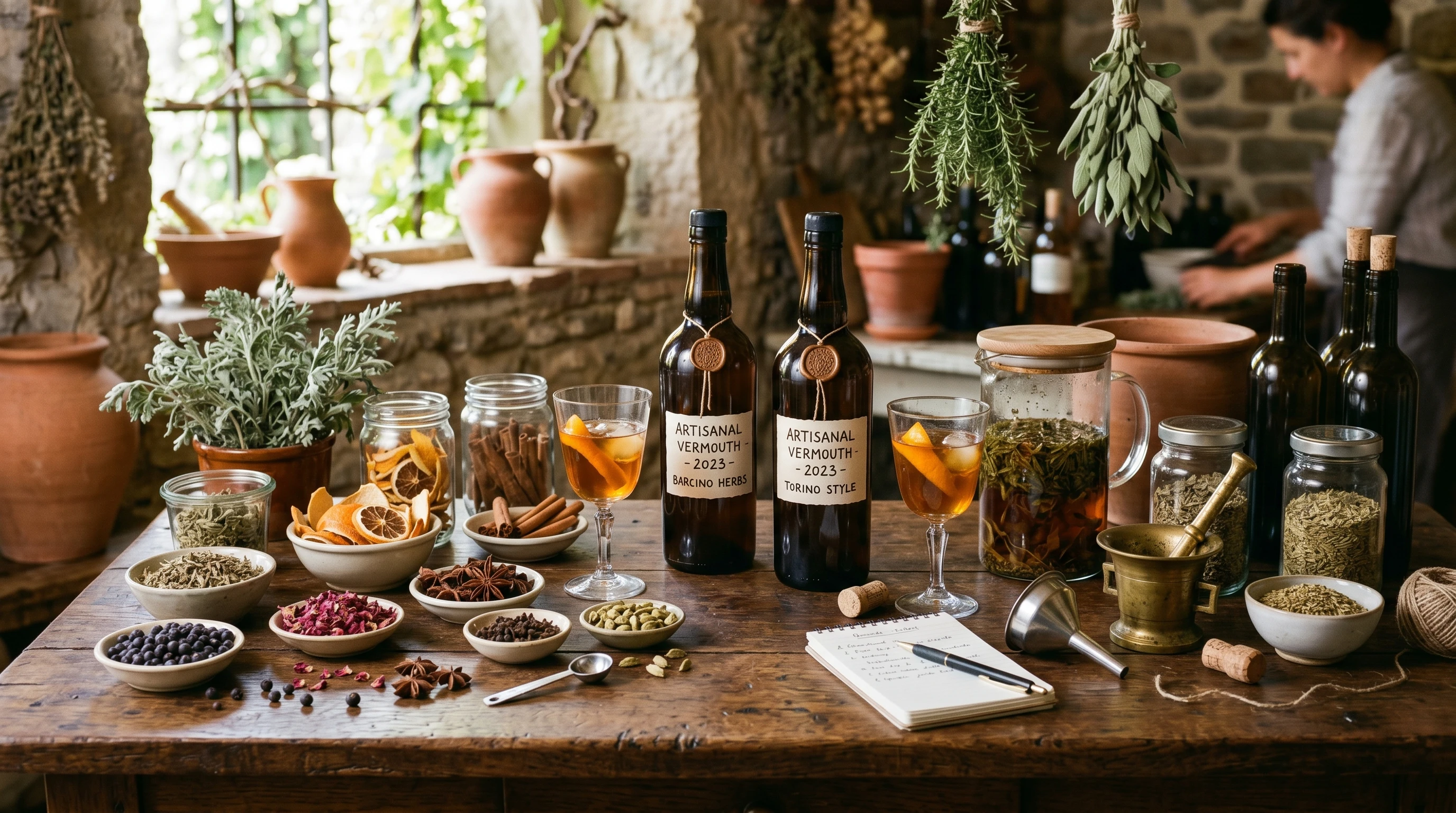
What Exactly Is Vermouth?
Vermouth is a type of aromatized, fortified wine. In plain terms, you start with a base wine, boost its alcohol content a bit, and infuse it with herbs, roots, bark, flowers, spices, and sometimes fruits. The end result is a drink with a unique botanical profile. This can be sweet, dry, bitter, or even floral depending on the recipe. Vermouth has its roots in 18th-century Europe and is still made with plenty of old-school methods today. Beyond being a staple in bars, vermouth’s history is filled with cultural twists: it was once used as a medicinal tonic before becoming a fixture in modern cocktails.
How Is Vermouth Made? Step-by-Step Process
Making vermouth calls for time, patience, and a little creativity. Here’s how the process usually goes:
- Pick a Base Wine: Most vermouths start with a neutral white wine, though some red wines are used, especially for sweet (rosso) vermouths. The wine should be drinkable but not too strong in flavor.
- Choose and Prepare Botanicals: This is where flavor comes in. Common botanicals include wormwood, gentian, chamomile, citrus peel, cloves, cinnamon, cardamom, and coriander. These are often crushed or chopped to help release aromatics.
- Macerate or Infuse: The botanicals are soaked in a neutral spirit (like grape brandy or vodka) to pull out flavors and aromas. Maceration can last anywhere from a few days to a week or longer, depending on the recipe and desired strength. In larger-scale production, carefully timed infusions help maintain consistency in every batch.
- Blend the Infusion with Wine: The infused spirit is then mixed with the base wine. The ratio depends on how bold or subtle you want the flavors to be. Some producers experiment with small test blends first, using different combinations until they nail the perfect taste.
- Sweeten (or Not): Most sweet or semisweet vermouths get a little sugar, caramel, or grape must at this point. Dry vermouths usually skip this or add just a touch.
- Fortify: To help preserve vermouth and give it a bit more kick, more neutral spirit is sometimes added to bump the overall alcohol content to about 15-18% ABV. This step also helps stabilize the flavors and extends shelf life.
- Mellow and Filter: The mixture is left to marry for days or weeks. Afterward, it’s filtered to remove botanicals, creating a clear, smooth drink. Some traditional recipes call for aging the finished vermouth in wooden barrels to add complexity.
- Bottle and Store: Once clear, the vermouth is bottled. It’s then ready to sip over ice or mix into your favorite cocktail. Proper bottling helps keep the flavors fresh and vibrant.
Every producer (and home crafter) has their own secret touches. If you ever get the chance to taste a few different vermouths side by side, the differences in flavor can be seriously eye-opening. You might notice hints of local botanicals or a twist on classic recipes, especially from small-batch makers who like putting their own spin on things.
Does Vermouth Need Wormwood?
Wormwood is actually the herb that gives vermouth its name. “Vermut” is German for wormwood. Traditionally, a touch of wormwood is included in most vermouth recipes for its signature bitter note, but it isn’t always required. Some modern vermouths either scale back wormwood or skip it entirely in favor of other bittering agents like gentian or cinchona bark. If you’re making your own vermouth, adding a bit of wormwood definitely makes it taste authentic, but it’s not a strict requirement. Just keep in mind that wormwood can be very potent, so a little goes a long way. Exploring the different ways botanicals affect taste can help you discover your favorite blend, so don’t hesitate to experiment.
Types of Vermouth: The Main Varieties
The world of vermouth can look a bit crowded, but most bottles fall into three main types:
- Dry (Frenchstyle): Light, crisp, and slightly herbal. These are perfect for martinis and as an aperitif with ice and a twist of lemon.
- Sweet or Rosso (Italianstyle): Rich, red, and aromatically spiced with a bit of sweetness. Classic in negronis, manhattans, or just over ice.
- Bianco (White or Blanc): Sweeter than dry, but without the color or big spice hit of rosso. These have notes of vanilla, citrus, or florals and taste great on their own with sparkling water or citrus.
There are plenty of spinoffs, like extrabitter style (Americano) or rosé vermouths, so it’s worth experimenting if you spot something interesting at your local store. Specialty vermouths can have unique regional flavors, small-batch innovations, or rare botanicals that add even more excitement for curious drinkers.
Storing Vermouth: Can You Freeze It?
Vermouth is shelf-stable until opened, but because it’s still mostly wine, once opened, it will slowly lose flavor and oxidize. The fridge is the best place to store open vermouth, as the cool temperature slows down spoilage. But if you’re wondering whether freezing vermouth makes it last longer, the answer is no.
Vermouth has enough alcohol that it won’t freeze solid in a typical home freezer, but the cold can cause flavor compounds and some sugars to separate. This can make the texture and taste a bit off after thawing. For the best quality, I keep open bottles in the fridge and aim to finish them within 1 to 2 months. That’s especially true for more delicate dry vermouths. If you have a rare or expensive bottle, finishing it while it’s fresh is definitely worth it. To get the most out of every bottle, remember to reseal it tightly and avoid leaving it at room temperature after opening.
Common Botanicals and Their Impact
The botanicals in vermouth easily make or break the final flavor. Here are a few ingredients you’ll find in classic and modern vermouth blends:
- Wormwood: Gives classic bitterness and that old-school vermouth character.
- Gentian: Offers a punchy, earthy bitterness used in both dry and sweet styles.
- Citrus Peel: Lemon, orange, or bitter orange peels brighten up the mix.
- Chamomile: Soft, floral notes often found in lighter vermouths.
- Cardamom and Coriander: Help create warm, spicy undertones.
- Cinnamon, Cloves, Vanilla: Add depth to sweet or bianco vermouths.
Each blend tells its own story, and you can tweak the recipe as you go if you’re making it at home. Small test batches are a smart move to dial in your preferred flavor profile. If you’re buying, reading the label or checking the producer’s notes will usually point out the stars of the mix. You might even stumble upon descriptions that mention unique regional botanicals or innovative combinations that set one bottle apart from another.
Tips for Making Vermouth at Home
Homemade vermouth is surprisingly accessible, even if you’re just working out of your kitchen. Here are some handy ideas if you want to give it a shot:
- Use the best wine you can comfortably afford. The base flavor shows through the final product.
- Go easy on the bitter botanicals if you’re just starting out. You can always add more, but you can’t take it away.
- Strain your infused alcohol carefully, using a fine sieve or coffee filter to get rid of small plant particles.
- Experiment with small mason jar batches first until you find a flavor combo you love. This makes adjustments easy and less costly if you want to switch things up.
- If you’re skipping wormwood, try gentian or cinchona bark for traditional bitterness.
Don’t stress too much about the details. Most of the fun is in experimenting and seeing how a small tweak can totally change the drink. Save your notes so you can recreate favorites or spot which spices you want to add more (or less) of in your next go-round. Trying different botanicals or wine bases each time can help you stumble upon a signature flavor that stands out.
Frequently Asked Questions About Vermouth-Making
How is vermouth made step by step?
Start with a base wine, infuse a selection of herbs, roots, and spices in neutral spirit, blend the infusion with the wine, sweeten or keep it dry as you prefer, fortify if needed, let it rest to blend the flavors, filter, then bottle and refrigerate once opened.
Does vermouth need wormwood?
Wormwood is a traditional ingredient for bitterness, but it’s not strictly required. Other bitter herbs can be used instead of or alongside wormwood.
Can you freeze vermouth to make it last longer?
I don’t recommend freezing vermouth. Chill it in the fridge after opening and aim to use it within a couple of months for the best taste.
What are the three types of vermouth?
Dry (French-style), Sweet or Rosso (Italian-style), and Bianco (White). Each type has a different flavor profile and classic cocktail use.
Vermouth-Making: Worth Trying for Any Home Bartender
Whether you’re a DIY enthusiast or just love trying new drinks, making vermouth shows off how much artistry goes into every bottle. Even if you buy instead of making your own, knowing the basics of vermouth’s creation helps you choose (and use) bottles with way more confidence. With a bottle or two on hand, you can easily upgrade your next cocktail night at home, give your guests something different to talk about, or just enjoy a chilled glass by itself. Cheers to exploring new flavors and skills!