If you enjoy exploring the world of European wines, there’s a good chance you’ve come across the term “Modra Frankinja.” This is one of the signature wines from Slovenia, with deep roots in Central European wine-growing. If you’re curious about what kind of wine Modra Frankinja is, what makes it unique, and how it fits into Slovenia’s wider wine traditions, you’re in the right place. I’ve spent quite a bit of time wandering Slovenian vineyards and tasting along the way, so I’ll break everything down to give you the full scoop in a way that’s easy to understand.
Getting to Know Modra Frankinja: The Basics
Modra Frankinja is a red grape variety most commonly found in Slovenia and several neighboring countries, including Austria (where it’s called Blaufränkisch), Croatia (Frankovka), and Hungary (Kékfrankos). While it grows in a few places, it’s especially popular and beloved in Slovenia, where it’s become one of the country’s signature reds. The grape is believed to have originated in the area, drawing on centuries of local cultivation and traditions.
In terms of taste, Modra Frankinja wines tend to be quite vibrant. You usually get a burst of berry flavors. Think black cherry, blueberry, and plum, mixed with a bit of spice and earthiness. The color is a lovely deep ruby red, with a medium body and fresh acidity, making it pretty easy to drink with many types of food. Depending on where it’s grown and how it’s made, the wine can be anything from light and fruity to bold and structured, so there’s a range of styles worth checking out.
How Modra Frankinja is Made
Winemakers in Slovenia approach Modra Frankinja with a lot of respect for tradition, but aren’t afraid to experiment either. Grapes are typically harvested in late fall, when they’ve soaked up enough sun to develop full flavor. In the cellar, most producers use classic fermentation in steel or wood. Some keep it fresh and simple, while others age it in oak barrels for more depth and complexity.
If you’re into natural or organic wines, it’s worth noting that a lot of Slovenian vineyards farm their Modra Frankinja grapes with minimal chemicals and even hand-harvest when possible. You’ll sometimes see single vineyard or cru bottlings, where the characteristics of one specific site really shine through. These wines can offer earthy undertones, hints of pepper, and just enough tannin to keep things interesting without being harsh.
Why Modra Frankinja Matters in Slovenia
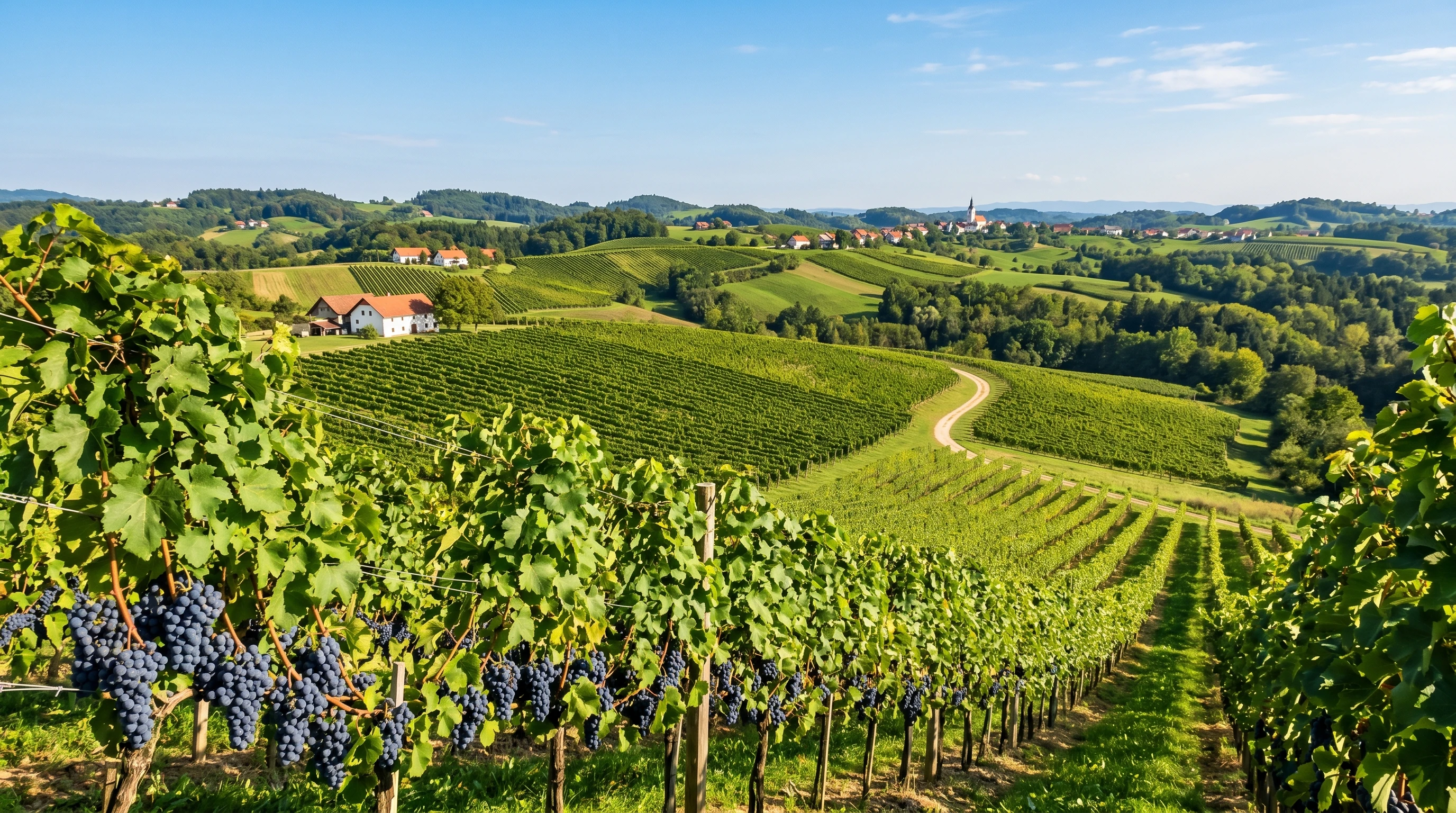
Slovenia might be small, but its wine culture is incredibly rich. Modra Frankinja is a big deal locally because it grows so well in Slovenia’s continental and subpannonian climates, especially around the Dolenjska, Posavje, and BizeljskoSremič regions. It’s the grape behind some of Slovenia’s best everyday reds, and it’s also used in higher-end bottles that show off real winemaking skill.
Drinking Modra Frankinja isn’t just about taste; it’s also about connecting with the place. If you ever travel to the countryside in Slovenia, you’ll find family-run cellars eager to pour you a glass paired with hearty local food. Grilled meat, sausages, or a classic mushroom risotto are popular favorites.
What Slovenian Wine is Known For
Slovenia punches way above its weight in the wine world. Besides Modra Frankinja, the country is famous for cool climate whites, sparkling wines, and unique orange wines (which are essentially skin-contact whites). Regions like Primorska are known for Rebula (Ribolla Gialla), while Štajerska offers delicate and aromatic whites.
In the red wine department, Modra Frankinja is the star. Internationally, though, Slovenia is probably best known for its dry whites and natural wines. The country’s location along the border means you get hints of Italian, Austrian, and Balkan winemaking traditions all mixed into one pretty charming package.
Cool Things About Modra Frankinja Wines
- Versatility with Food: Modra Frankinja is super food-friendly. It’s light enough for grilled chicken or pork but can handle heartier stews and roasted veggies, too. It’s a reliable choice for just about any dinner table. Even pizza or burgers get better with a glass.
- Freshness & Aging: Most bottles are meant to be enjoyed young and fresh, showing lots of juicy berry aromas. Some winemakers age the wine for a few years in oak, bringing out deeper flavors and more structure.
- Eco-Friendly Vineyards: Slovenian wine regions take the environment seriously. Many Modra Frankinja vineyards are run organically or even biodynamically, so a bottle often comes with good eco credentials.
The Health Angle: Wine and Cholesterol
People often wonder whether some wines are better for health than others, especially when it comes to cholesterol. While I’m not a doctor, many studies have shown that moderate red wine consumption is linked to heart health and may lower LDL (the “bad” cholesterol). This effect is usually linked to the polyphenols and antioxidants found in red grapes. Resveratrol is the most famous one.
Wines like Modra Frankinja, which come from deeply colored grape skins, tend to have a decent dose of these natural compounds. That said, the effect isn’t exclusive to any one grape variety, and moderation really is key. If you’re looking for reds that have a reputation for being high in antioxidants, Modra Frankinja, along with other deeply colored reds like Cabernet Sauvignon or Merlot, are solid picks. For anyone especially concerned about cholesterol, it’s always smart to get advice from a healthcare professional.
It’s interesting that the Mediterranean diet, which often includes a moderate amount of red wine with meals, is regarded by many experts as beneficial to heart health. The antioxidants found in Modra Frankinja and similar wines can boost the total polyphenol intake in your diet, although it’s not a magic bullet. Healthy lifestyle choices, balanced meals, and responsible wine drinking all work together for best results.
How Does Modra Frankinja Taste?
Here’s what you can usually expect with a typical Modra Frankinja:
- Color: Medium to deep ruby
- Aromas: Fresh blackberry, sour cherry, raspberry, and a little herb or black pepper spice
- Palate: Lively acidity, medium body, gentle tannins, and a refreshing, somewhat tart finish
Winemakers sometimes blend this grape with others to give extra color and balance. But honestly, I think the single-variety versions stand out for their pure flavors and lovely texture.
If you’re visiting a Slovenian wine bar, don’t be shy about asking which Modra Frankinja bottles show off local style. Many sommeliers love introducing newcomers to the different profiles these wines offer so that you might stumble upon a unique favorite.
Best Slovenian Wines You Should Try
Slovenia’s best wine depends on your style, but if you ask locals and sommeliers, Modra Frankinja always comes up as a strong choice for a red. For whites, Rebula (Ribolla Gialla) and the local Sauvignon are regular picks. High-quality orange wines from producers like Gravner or Movia turn heads around the world. For something fresh and lively, try a sparkling from Radgona Kapela or a crisp Furmint from Štajerska.
If you’re putting together a Slovenian wine tasting at home, I’d start with a Modra Frankinja, throw in an orange Rebula, a classic Sauvignon Blanc, and maybe a sparkling rosé. That’ll give you a real taste of what Slovenia does best. And if you have friends who enjoy wines from Italy or Austria, Slovenia offers flavors and styles that beautifully bridge those regions. It’s a treat waiting to be shared in good company.
Tips for Drinking & Pairing Modra Frankinja
- Serve slightly chilled (around 15-17°C or 60°F for the best flavors).
- Pairs well with grilled meats, pork sausages, stews, mushroom dishes, and even tomato-based pizza or pasta.
- If you find an oak-aged style, try it with barbecue or slow-cooked dishes; the extra structure can stand up to rich flavors.
- With its smooth tannins, it’s a good crowd pleaser for parties or casual nights in.
Common Questions about Modra Frankinja & Slovenian Wine
What is the best Slovenian wine?
Many would say Modra Frankinja for reds and Rebula or orange wines for whites. Each region offers something different, so “best” depends on your taste and style. If you want something unique, orange wines from Primorska and traditional method sparklers are worth checking out.
What type of wine is Slovenia known for?
Slovenia is known for cool climate whites, orange wines, and Modra Frankinja as a red. The country’s wine reputation is tied to its diversity and traditional family winemaking.
Which wine is best for lowering cholesterol?
Research often points to red wines in general, thanks to antioxidants in the grape skins. Modra Frankinja qualifies here, but the health benefit comes from moderate intake, not any single grape. If health is your priority, check with a doctor and sip responsibly.
Trying Modra Frankinja: Some Final Thoughts
Modra Frankinja is one of those wines that fits almost any occasion. It’s easy to find in Slovenia and is gaining more international attention every year. Whether you’re a curious beginner or a seasoned wine fan, it’s a bottle that really shows what Slovenian reds are all about. The combination of juicy berry flavors, light spice, and food-friendliness makes it a great addition to any wine collection and a solid pick for anyone looking to explore something genuinely Slovenian.