
Gardening gloves with claws are one of those practical tools I never realized I needed until I tried them out. They make digging, planting, and raking small bits of soil so much easier and less messy. These gloves are designed for folks who want to speed up their gardening routine while protecting their hands at the same time. Whether you’re a weekend hobbyist or a regular in the garden beds, claw gloves are worth checking out for convenience and comfort.
What Are Gardening Gloves With Claws For?
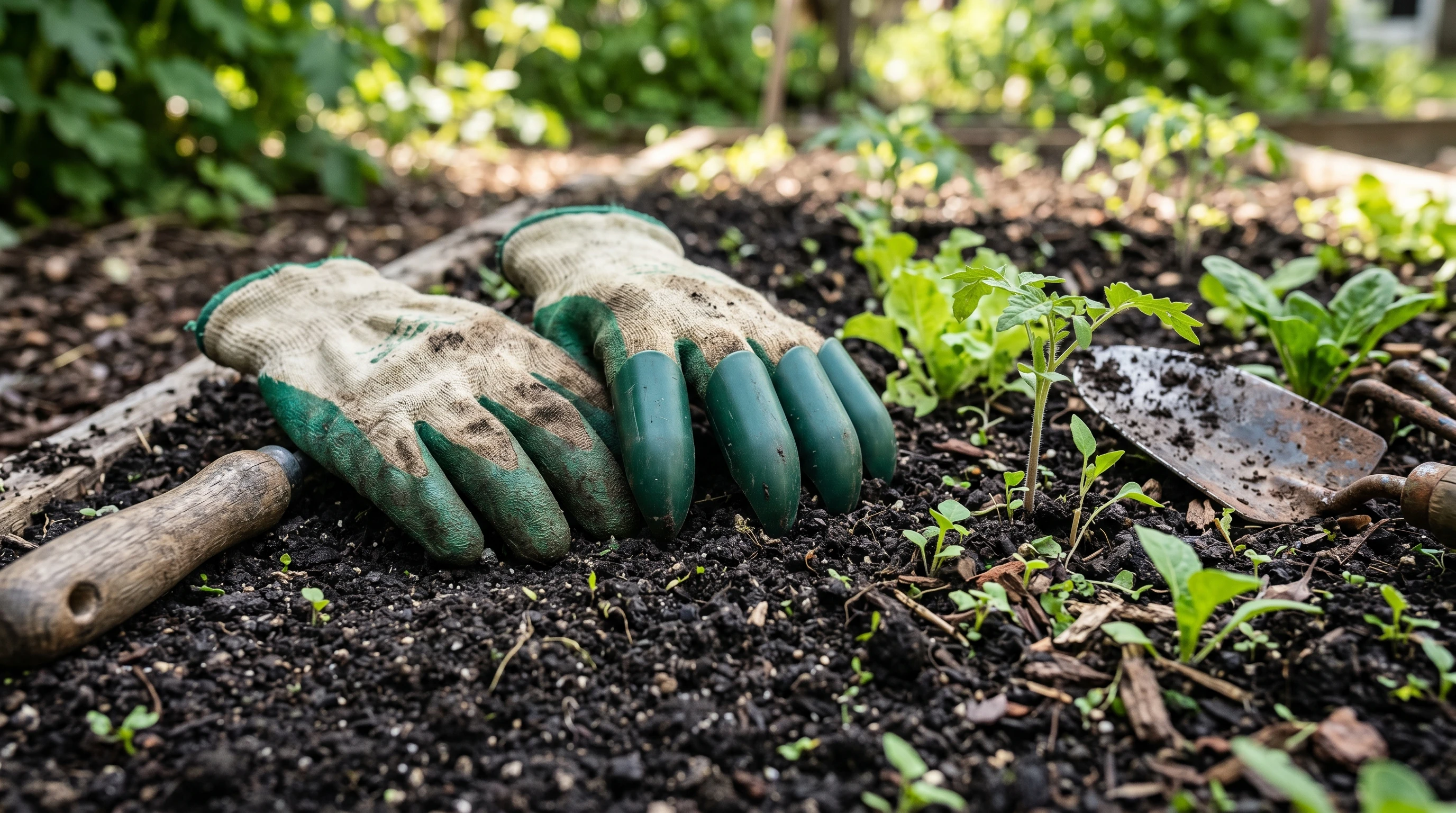
Gardening gloves with claws mix a basic gardening glove with tough plastic claws on the fingertips of one or both hands. The main idea is to give you a tool and hand protection in one. The claws work like mini hand shovels, so you can dig into soil, break up clods, and handle roots without needing separate trowels or rakes.
Most folks use claw gloves for quick weeding, small planting jobs, loosening soil, or mixing in compost. I tend to slip them on when I’m filling up planters or prepping beds for new flowers. The claws help me make little holes or furrows for seeds, and the padded palms protect against scratches and thorns. And honestly, they save me from having to constantly put down my tools only to pick them right back up.
How Claw Gloves Work in the Garden
The claws themselves are usually made from ABS plastic, which is strong enough for garden soil but won’t bend easily if you hit something tough. The idea is to scoop, dig, or rake with just the movement of your hand, so you don’t have to keep switching tools every few minutes. This cuts down on time spent going back and forth, which really helps with small projects or when you’re just putting in a quick half-hour after work.
- Planting Bulbs and Seeds: The claws work well for digging shallow holes quickly. You can poke, twist, and pull to make holes or trenches just the right size.
- Weeding: I use the claws to uproot pesky little weeds or loosen their roots without tearing the glove or my skin, especially around established plants where using a full tool feels clumsy.
- Spreading Mulch and Compost: The claws scoop and spread mulch, making it less of a mess. It actually feels a bit like having a set of mini rakes at your fingertips, which is quite fun!
- Aerating the Soil: Running my fingers through compacted dirt to break it up feels pretty natural with these gloves. It also saves my regular gloves from wear and tear.
The best part is that you still have five fingers for grip, unlike with a single-hand trowel. You can switch from scooping to grabbing or pinching roots without pulling the gloves off.
Main Types and What a “Garden Claw” Is Called
People sometimes get the terms mixed up, so here’s what’s up: “garden claw gloves” or “digging gloves with claws” all refer to gloves with plastic tips on some or all of the fingers. The term “garden claw” is sometimes used to refer to a handheld, fork-shaped tool for turning soil. But when folks talk about “claw gloves,” it’s always about gloves, not the tool itself.
You can find:
- Right-Hand Claw Gloves: Only the right glove has claws, which is handy for those who dig and rake with their dominant hand.
- Both-Hand Claw Gloves: Both gloves have claws, which are useful if you like to switch hands or want more versatility—maybe if you’re ambidextrous or working with a friend.
- No-Claw Options: Some brands offer replacements or mixed packs, with one glove plain and one with claws, depending on what you need.
As for what a single hand-held garden “claw” tool is called, most people call it a gardening fork or hand cultivator, depending on the shape. Both are great for working over surface soil, but don’t offer the glove’s handy comfort for quick tasks.
Why Gardeners Like Gloves With Claws
Regular gardening gloves serve a basic purpose: keeping your hands clean and protected from thorns, blisters, and dirt. But adding the claws brings a few eye-catching features that make garden chores easier:
- Speeds Up Work: I can get through small digging jobs a lot faster since I don’t have to reach for a tool every time I plant something. This is super helpful during busy planting seasons or when I only have a limited window to work outside.
- Protects Fingers: Many times, I’d jam my fingertip into a rock or root. The claws add a little shield, so I don’t wind up with sore or dirty nails, which is great if you want to keep your hands in good shape.
- Improves Grip: The rubbery or nitrile coating on claw gloves gives me a better grip when pulling weeds or carrying garden debris, so I can really get into it without things slipping.
- Easy Cleanup: Most claw gloves just rinse off under the hose or wipe clean, which is way easier than cleaning multiple hand tools after every job. This makes coming in from the garden less of a hassle, especially on busy days.
The gloves are perfect if you’re into raised-bed gardening, balcony pots, or smaller-scale planting. If kneeling and getting close to your work is comfortable for you, these are an easy way to level up your gardening.
What Gloves Do Professional Gardeners Use?
Professional gardeners usually pick gloves based on the task. Heavy-duty leather gloves pop up a lot for pruning, rose bushes, or handling stone. For more delicate jobs like planting and detailed weeding, pros tend to go for breathable, fitted gloves made of nitrile or rubber-coated fabric, which give great flexibility and decent puncture resistance.
Gardeners who do a lot of planting and soil work sometimes grab claw gloves for basic jobs, but not every pro uses them every day. They’re great for home gardeners and landscapers who want to save time on digging and basic cultivation without cluttering their toolboxes. For larger-scale jobs or heavy digging, pros still pick shovels, trowels, and ergonomic hand forks most of the time—and with good reason, since those tools are built for intensive use.
What To Look For In Gardening Gloves With Claws
I’ve learned that not all claw gloves feel or perform the same way. Here are a few things I like to check before buying or recommending a pair:
- Claw Strength and Durability: Look for ABS or similar strong plastic claws; they hold up better and don’t snap off easily, which means your gloves last through more seasons.
- Glove Fit: If gloves are too loose, dirt gets inside, and you lose accuracy. A snug, stretchy glove feels natural and doesn’t bunch up, helping you work efficiently.
- Material: Waterproof or quick-dry materials keep your hands comfy and clean, even if you’re working in soggy soil or mud. This also helps if you’re gardening during unpredictable spring weather.
- Breathability: Mesh or ventilated backs let your hands breathe, so they’re not sweaty when you’re working in the sun. Cooler hands last longer in the garden, trust me.
- Easy Wash: Some gloves collect a ton of dirt in the seams or between the claws. Gloves that rinse clean quickly score a big win for me, especially if you have limited time for tool cleanup.
Common Issues and Simple Solutions With Claw Gloves
Even though these gloves are super handy, there are a few things to keep in mind for the best results:
- Claws Popping Off: Cheaper versions use weak glue, so I look for reviews or go with brands known for better construction. Checking feedback before buying saves a lot of hassle down the line.
- Fit Too Tight or Loose: Gloves are usually “one size fits most,” but small or big hands sometimes need specialty brands or separate kids and adult sizes.
- Stuck In Clay Soil: Thick clay or rocky soil can put stress on claws and make digging tough. I switch to regular tools during extra-tough patches to keep the gloves in good shape and protect my hands.
- Not Suited For Fine Work: If you’re transplanting seedlings or handling tiny seeds, fingers with claws can feel a bit clumsy. I keep a basic glove handy for detailed chores and swap it out as needed.
I usually keep my claw gloves with my regular gloves so I can switch back and forth depending on what my yard needs that day. This way, I’m always ready for different gardening jobs without having to search for missing tools.
Practical Tips for Using Claw Gloves
I’ve picked up a few tricks for making the most out of gardening gloves with claws:
- Use the claws for initial digging, then flip your hand to use the padded palm for scooping soil over roots or bulbs.
- If your pair has claws on only one glove, use the plain hand to hold the plant and the claw hand to make the hole or loosen dirt. This gives you great control for planting.
- Try storing them in a place where they can airdry after use so the material stays fresh and doesn’t develop smells or mold.
- Pair them with kneepads or a kneeling mat for less strain, especially if you’re spending lots of time down close in garden beds; your knees will thank you.
Frequently Asked Questions About Claw Gloves
What are claw gloves used for?
They’re designed for digging, raking, planting, weeding, and aerating soil. All the little tasks that need your hands right in the dirt. The claws are handy for scooping and creating small holes, so you don’t have to use separate tools for quick jobs.
What is a garden claw called?
Claw gloves themselves are just called “gardening gloves with claws” or “garden claw gloves.” A “garden claw” is a different tool, usually a hand cultivator shaped like a fork or rake for turning soil.
Are gardening gloves with claws good for all gardens?
They work great for smaller gardens, raised beds, and pots. For bigger jobs or tough, rocky soil, your regular gardening tools are still better for comfort and efficiency.
What gloves do professional gardeners use?
Most professionals use a mix of gloves: heavy-duty leather for rough or thorny tasks, fitted nitrile or rubber gloves for sensitive work, and sometimes claw gloves for specific tasks like quick digging or planting.
Trying Gardening Gloves With Claws In Your Own Yard
I’ve found claw gloves fit right into my regular toolbox alongside my trowel and pruners. If you like getting your hands right into the dirt but hate scrubbing grime out from under your nails, they’re a clever and fun item to try out. You probably won’t ditch all your hand tools, but for fast planting or weeding, these are hard to beat. Honestly, they make gardening feel a bit like play, and anything that adds fun back into chores is a win in my book.
If you’re still on the fence, you might borrow a set from a friend or look for a pair with a money-back guarantee. No matter your experience level, claw gloves bring that next-level cool factor to your gardening kit, boosting your efficiency while also sparking a little joy. Happy planting!
General Opinion
Of course, if the dirt is hard, digging out the weeds is a little more complicated, but you will be so glad if you buy them because they will help you, especially if you have some arm or shoulder problems. They also have rubber palms and fingers, so they are waterproof, which is another good thing. So far, I haven’t had any issues with the fingertips sticking out, which was a concern of mine. So I can say that, in a way, these gloves have helped reduce the stress of gardening.