
If you’re interested in keeping your immune system running smoothly, organic foods can play a big part in your daily diet. Eating the right foods can support your immune system, especially as more people look for natural ways to stay healthy. I put together this guide to make sense of which organic foods are best for immune support, the real impact of food choices on your gut, and how organic options compare to regular ones when you want the most out of your meals.
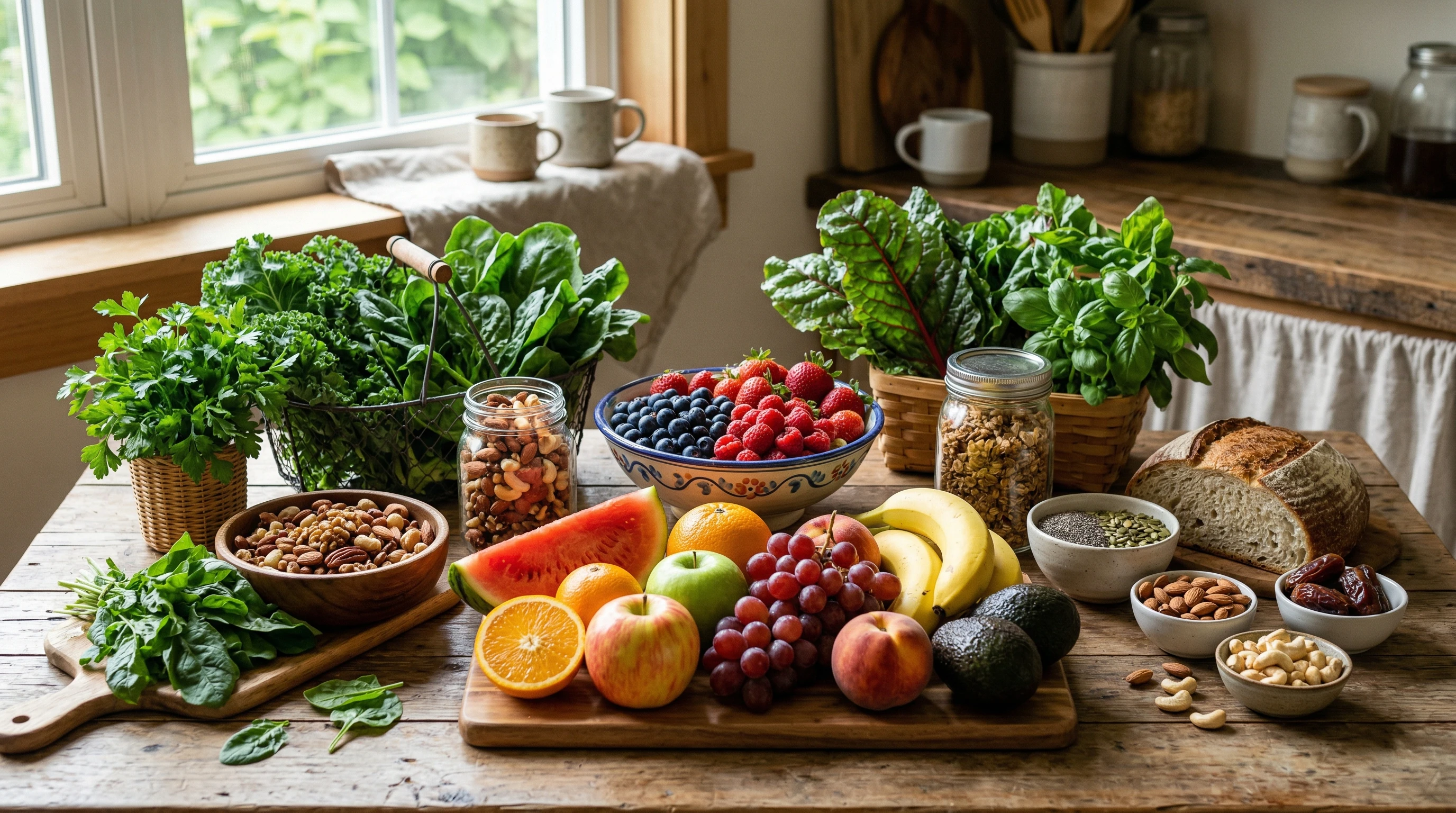
Organic Foods That Help Boost Your Immune System
Eating a wide range of nutrient-dense foods is a smart move if you’re hoping to support your immune system. Organic foods are grown without synthetic pesticides or fertilizers, and they’re often a go-to for people who want to avoid chemical residues in their diet. These foods are packed with antioxidants, vitamins, and minerals, which offer some handy benefits for immune health.
Here’s a rundown of organic foods worth adding to your shopping list if immune support is your goal:
- Citrus Fruits: Oranges, lemons, limes, and grapefruits offer plenty of vitamin C, known for helping white blood cells do their job.
- Leafy Greens: Organic spinach, kale, and Swiss chard stand out for their vitamin A, vitamin C, and antioxidant content.
- Berries: Blueberries, strawberries, and raspberries are loaded with polyphenols, compounds shown to help fight off cell damage. Organic berries tend to have higher levels of these antioxidants because they’re not exposed to synthetic chemicals.
- Cruciferous Vegetables: Broccoli, Brussels sprouts, and cauliflower can help the body detox naturally and contain compounds that may step up immune response.
- Garlic and Onions: Both are full of sulfur compounds like allicin, which some studies link to short-term immune boosts and reduced cold durations.
- Fermented Foods: Yogurt, kimchi, sauerkraut, and kefir are known for their live probiotic cultures, which influence gut health. As you’ll see, that’s a big deal for immunity.
- Nuts and Seeds: Almonds, pumpkin seeds, and sunflower seeds offer vitamin E, zinc, and healthy fats that can all play a role in immune support.
- Herbs and Spices: Ginger and turmeric contain compounds like gingerol and curcumin, both linked to anti-inflammatory and immune-supporting effects.
Mixing up your meals with some of these foods can go a long way, not just for immune health but for overall wellness too. Even snacks like dried organic fruit or roasted organic chickpeas add variety and pack in nutrients that your immune system will appreciate. Try adding a handful of organic pumpkin seeds to your oatmeal or sprinkling chia seeds into your smoothie for a little extra boost.
Gut Health and Its Link to Immunity
It’s pretty eye-opening how much your gut and your immune system are tied together. You’ve probably heard that a huge chunk of your immune system lives in your gut. That’s not hype. In fact, around 70% of your immune system is based there. This part of your body is called the gut-associated lymphoid tissue (GALT), and it acts like a command center for immune cells and responses.
Here’s how it works in practice: The gut is home to trillions of good bacteria, also known as your gut microbiome. When you eat organic foods—especially those rich in fiber and probiotics—you give these helpful bacteria the nutrition they need to keep your digestive and immune systems working their best. A healthy, diverse gut microbiome helps fight off harmful invaders, breaks down toxins, and even helps produce vitamins that your immune system relies on.
Foods high in prebiotics and probiotics support this balance:
- Organic bananas, garlic, leeks, and asparagus are great prebiotic choices.
- Organic yogurt, sauerkraut, and tempeh are strong sources of probiotics.
Choosing organic here can help you dodge unwanted chemical residues and preservatives often found in conventional options. That extra layer of purity is something I find pretty handy, especially if you’re trying to eat for your health long-term. Even if you can’t go all-organic, adding a few organic fermented foods to your week can tip the scales in favor of better gut and immune health.
For anyone dealing with gut issues such as bloating or irregularity, switching up your fiber sources and trying organic whole grains like oats, quinoa, and barley can also make a difference. Adding a diversity of organic plant fibers supports a stronger, more varied gut microbiome—which is central to immune defense.
Choosing Immune-Boosting Organic Foods for Special Needs
Some folks need to go the extra mile with their immune-boosting game, especially if they’re living with conditions like diabetes. If that’s your situation, choosing foods that help stabilize blood sugar and avoid spikes is really important for supporting your immune system.
For people with diabetes, the best immune boosters often include:
- Leafy greens and low-sugar vegetables: Spinach, kale, cucumbers, and broccoli pack in vitamins and minerals without affecting blood glucose much.
- Berries: Berries are lower in sugar compared to most fruits and deliver tons of antioxidants.
- Fermented foods: Sugar-free organic yogurt and sauerkraut support the gut and immune system, while being easy on blood sugar.
- Nuts and seeds: These offer vitamin E, magnesium, and protein with minimal sugar.
Herbs like cinnamon and turmeric may also help maintain stable blood sugar levels, which is super important for immune function in people with diabetes. You might even add a dash of cinnamon to your morning smoothie or salad. Always check with your healthcare provider about major diet changes, but these organic choices are a reliable starting point.
If you have other special dietary needs, such as gluten intolerance or food allergies, organic options can simplify label reading because they’re often free of many common additives and preservatives. That makes it easier to stick to healthy habits that support immune function.
Organic vs. Conventional: Is Organic Really That Much Better?
If you’re trying to decide if switching to organic is worth it, here’s what I tell people: Organic food isn’t automatically healthier, but some perks make it worth considering for immune support. Organic crops tend to be grown in healthier soil and aren’t sprayed with most synthetic pesticides or herbicides. That means fewer unwanted chemicals get into your meals and onto your plate.
Some studies show that organic foods can have higher levels of certain nutrients and antioxidants (source: NCBI), though the differences aren’t always large. People often find they prefer organic because it removes extra worry about exposure to chemicals that might interfere with healthy gut bacteria or immune cells. There’s also the benefit of reduced antibiotic use in organic animal products, which may help maintain good bacteria balance in your gut.
Another point worth noting is that organic farming avoids genetically modified organisms (GMOs). This is a personal preference for many who want to stick to more natural eating patterns. Plus, buying organic can sometimes mean supporting smaller farms or more sustainable practices, which some people find meaningful when thinking about the bigger picture of health and community.
So, while organic isn’t a magic bullet, it can lower your exposure to certain chemicals and offer foods grown more naturally. When combined with a balanced diet, this can support your immune system in a pretty natural way.
How to Make the Most of Your Organic Diet
Eating organic is easier when you don’t overthink it. I usually go for whole foods in their natural state and try to switch up what I buy every week. Here are a few down-to-earth tips that I find really useful:
- Focus on variety: Mix up your fruits, veggies, nuts, and grains for a broad nutrient spectrum.
- Opt for seasonal, local produce: Foods grown nearby in season are often fresher, tastier, and less expensive; plus, they tend to have fewer environmental and nutritional downsides.
- Read labels: Watch for organic certification, especially on processed items. Not every “natural” product is actually organic.
- Prep meals ahead: Having organic, prepped snacks on hand makes it easy to eat well when you’re in a rush.
Remember, small changes can add up. Swapping out a few staple foods in your diet for organic options is a good start, and you don’t have to overhaul everything at once to make a real difference. Even tossing organic greens into your lunch or keeping some organic apples in the pantry can boost your nutrition and immune support over time.
Frequently Asked Questions
Here are some common questions people have about organic foods and immune support:
What organic foods help boost your immune system?
Foods rich in vitamin C, like organic oranges, lemons, and leafy greens, are great for immune support. Organic berries and cruciferous veggies are rich in antioxidants. Fermented organic foods are awesome for gut health, which is tightly connected to immune function.
Is it true that 70% of your immune system is in your gut?
Yes, around 70% of your immune system is located in your gut. The right mix of organic, fiber-rich, and probiotic foods can help keep your gut and immune system thriving. Feeding your gut the right foods can set you up for strong defenses against common cold bugs and more.
What is the best immune booster for people with diabetes?
The best immune-boosting foods for people with diabetes are those that won’t spike blood sugar, like organic greens, berries, fermented foods, and nuts. It’s a good idea to focus on low-glycemic options and whole, minimally processed organic foods.
Is organic food really that much better for you?
Organic food can help reduce your exposure to synthetic chemicals and may offer higher levels of some nutrients and antioxidants. While it isn’t a magic fix, these perks can contribute to long-term wellness and immune support.
Final Thoughts
Eating for immune support doesn’t have to be complicated. Getting the most out of organic foods is about making simple switches that fit your lifestyle, like reaching for organic produce, sneaking in fermented options, and focusing on variety. Small changes, especially around eating colorful, whole foods, can support your immune system and help you feel your best. When you start to notice better energy, fewer sick days, or a happier gut, you’ll see—those little shifts are well worth it for your everyday health.