
Fermentation is one of those processes that show up everywhere, from making bread and yogurt in your kitchen to creating biofuels and medicines in big factories. At its core, fermentation is a natural process where tiny living things called microbes (mostly bacteria and yeast) break down sugars and other food substances, turning them into things like gases, alcohol, and acids. This transformation happens without any help from oxygen, which is a pretty unique feature. There’s a lot to love about fermentation; it adds flavor, helps with food preservation, and even lets us brew our favorite drinks.
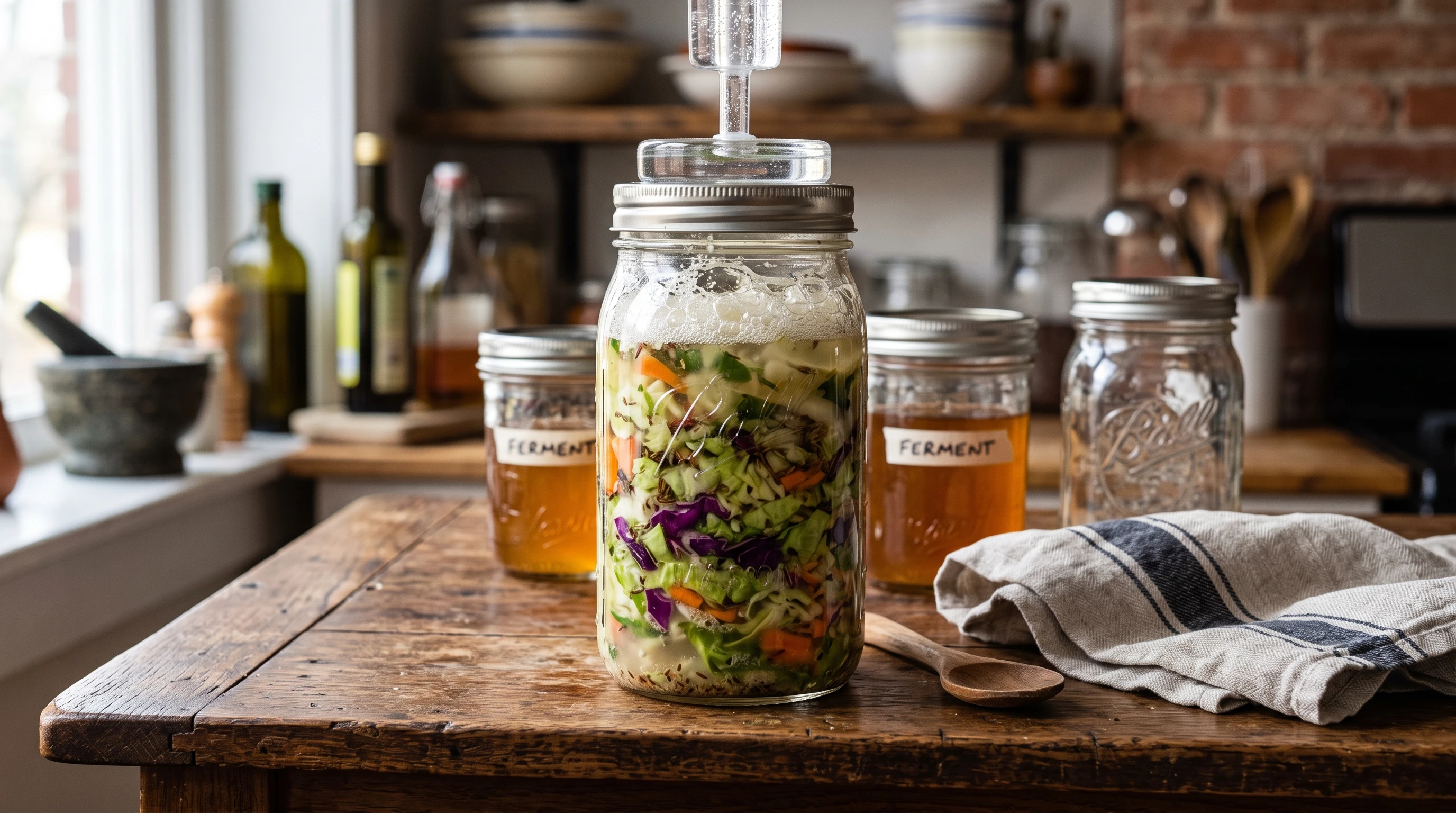
Four Main Types of Fermentation
Fermentation isn’t just a single kind of process; it’s actually a collection of methods. Each type has its own quirks, and knowing the difference can help you figure out which foods or drinks come from which process. Here’s how I usually break them down:
- Alcoholic Fermentation: Yeast is the superstar here. This type turns sugars into alcohol, which is how we get beer, wine, and spirits. The byproduct is carbon dioxide, which gives bubbly drinks their fizz. This process is also used in making bread, as the carbon dioxide helps dough rise.
- Lactic Acid Fermentation: Lactic acid bacteria handle this one, converting sugars into lactic acid. This method is behind yogurt, sauerkraut, kimchi, pickles, and even sourdough. Lactic acid gives foods a pleasant tang and helps stop bad bacteria from taking over.
- Acetic Acid Fermentation: This is what gives us vinegar. Acetobacter bacteria change alcohol (from alcoholic fermentation) into acetic acid when there’s some oxygen around. You’ll see this in kombucha and all sorts of vinegars.
- Butyric Acid Fermentation: Less tasty but still important, this fermentation is mostly carried out by Clostridium bacteria. It happens in things like silage (cattle feed) and the human gut, creating butyric acid and other compounds.
What Actually Happens During Fermentation?
Fermentation is really about energy. Microbes use it when there’s no oxygen to help them out. Instead of fully breaking down sugars (like we do when we breathe), these microbes stop part-way, making products like acids, alcohol, or gases as a result.
Here’s a simple breakdown of the general steps:
- Sugars are available, either from fruit, milk, grains, or veggies, wherever the fermentation is taking place.
- Microbes (like yeast or bacteria) feast on the sugars. Each type of microbe brings its own special results.
- The microbes break down the sugars through chemical reactions, releasing energy for themselves and creating byproducts that we end up tasting, smelling, or drinking!
- The environment gets more acidic or boozy, making it hard for spoilage organisms to survive.
The products depend on the microbes and starting materials. Sometimes you get bubbly bread, sometimes you get a tangy yogurt, or you might end up with a fresh pint of beer. It’s all about what’s being fermented and who’s doing the fermenting.
Step-by-Step Grape Fermentation Process
Turning grapes into wine is a classic example of fermentation in action. I still remember the first time I toured a small winery and watched the process up close—it gave me a new appreciation for every glass of wine! Here’s how it goes, step by step:
- Harvesting: Grapes are picked at their ripest, usually by hand or with machines. Sugar content and flavor at this stage are super important.
- Crushing and Pressing: Grapes are crushed to release juice. For white wines, skins are separated quickly; for red wines, the skins stay to add color and tannins.
- Fermentation: The grape juice (now called “must”) is transferred to tanks or barrels. Yeast—either natural from the skins or added by winemakers—gets to work converting the sugars in the must into alcohol and carbon dioxide. This main fermentation might take days or weeks, depending on the wine style.
- Pressing Again (for Reds): For red wines, after a while, the skins are pressed to squeeze out any remaining wine.
- Malolactic Fermentation (Optional): Some wines go through a second phase where bacteria turn harsh malic acid into softer lactic acid. This makes the wine feel smoother.
- Aging: The new wine seasons in barrels or tanks. This is where flavors develop and settle out.
- Bottling: Once the wine has aged enough, it’s filtered and bottled, ready to enjoy!
This is a really simplified version; winemaking has lots of variations. Big-name winemakers might tweak timing, temperature, or even blend different grape varieties to create unique flavors. If you’re curious for more detail, Wine Folly is a good source for geekier info.
Explaining Fermentation to a Kid
Kids are curious and they learn best with easy examples. When I want to explain fermentation to young kids, I keep it like this: Fermentation happens when helpful germs (tiny living things you can’t see) eat sugar and turn it into different stuff. For example, when you make bread, yeast eats the sugar in the dough and makes bubbles. Those bubbles make the bread fluffy! In yogurt, other little helpers turn milk sugar into a tangy taste. Basically, it’s like the food is having a magic party where it changes into something new and yummy.
Why Fermentation Matters (For Health, Food, and More)
Fermentation isn’t just a science experiment; there are real, practical reasons to love it. Here’s why people use fermentation today, and why it’s become so popular again:
- Food Preservation: Before refrigerators, fermenting foods was a way to keep them safe to eat for a long time. That’s still true in lots of places.
- Flavor and Texture: Fermentation gives bread its rise, yogurt its creaminess, and sauces (like soy sauce or miso) their deep umami flavor. Even cheese owes its taste and texture to fermentation.
- Digestive Benefits: Fermented foods like kimchi, sauerkraut, and live yogurt are packed with probiotics, which are microbes that help the gut stay healthy. Some people notice better digestion when they eat these regularly.
- Nutrition: The process sometimes boosts vitamins or breaks down stuff that’s hard for us to digest. It can even reduce natural toxins that are found in some raw foods.
- Economic Impact: Fermentation drives a whole industry, from bakery products to beer breweries, making it a key player in the food and beverage world.
Another big reason fermentation appeals to people is the surge in interest around plantbased and gutfriendly foods. As more people seek ways to get probiotics into their diets without resorting to supplements, naturally fermented options offer a flavorful and traditional approach. Plus, fermentation has cultural value; each country seems to have its own signature fermented foods, so trying different recipes opens up a world of adventure for your taste buds. Home fermentation is rewarding because you control ingredients, flavors, and methods—plus, there’s a genuine sense of accomplishment in making your own foods from scratch.
Common Challenges and Solutions in Fermentation
Fermenting can sometimes go wrong, especially if the conditions aren’t ideal. Here are a few things that have tripped me up over the years (and how I fixed them):
- Bad Smells: Sometimes a ferment will stink in a way that’s not normal. This usually means the temperature was too high, or unwanted microbes snuck in. Cleaning your containers really well, and keeping the right temperature, helps prevent this.
- Mold Growth: Any time you see fuzzy green or black stuff on the surface, it’s time to toss it out and start again; safe is better than sorry. Weighing veggies down below the liquid can help fend off mold.
- Slow/No Fermentation: If it feels like nothing is happening, check the temperature. Too cold, and microbes don’t work fast. Sometimes adding a bit of extra salt or sugar can get things moving again, depending on the recipe.
Staying patient and following tested recipes goes a long way. There are some great communities and online guides if you run into trouble. And remember, when trying a new fermentation technique, always make small test batches until you’re comfortable with the process.
Popular Fermented Foods and Drinks Around the World
Fermentation looks totally different depending on where you are in the world. Some foods and drinks that come from fermentation include:
- Bread: Like sourdough, where fermentation gives you that chewy crust and distinctive flavor.
- Beer and Wine: Produced everywhere, and every place has its own twist.
- Kimchi: Korea’s spicy, tangy, crunchy fermented cabbage.
- Kombucha: A fizzy fermented tea that’s popular in healthfood circles.
- Sauerkraut: Germany’s classic pickled cabbage, perfect as a topping or side dish.
- Miso: Japan’s salty, umamirich soy paste used in soups and sauces.
In addition, other favorites like kefir (a probiotic yogurtlike drink), tempeh (fermented soybeans from Indonesia), and even chocolate (cocoa beans are fermented before they become the sweet treat we love) show just how far fermentation stretches across global cuisine. Fermented fish sauces, rice wines, and traditional African beverages like togwa also bring unique flavor profiles and nutrition that have stood the test of time.
Frequently Asked Questions
Fermentation comes with a lot of questions, especially for beginners. Here are some I hear a lot:
Question: What are the main signs that fermentation is working?
Answer: Look for bubbles, tangy smells, or changes in texture. Your food should look and smell pleasant, never rotten.
Question: How long does fermentation usually take?
Answer: This really depends on the food or drink and temperature. For sauerkraut, onetwo weeks at room temp works well. Bread dough might rise in a few hours. Wine can take weeks, and some cheeses take months!
Question: Can I use any container for fermentation?
Answer: Glass jars and ceramic crocks are popular because they don’t react with acids. Avoid metal, as acids from fermentation can cause off-flavors or rust.
With a little practice, fermentation can turn everyday foods into something extra special. Grab some basic gear, try a simple recipe, and watch the transformation take place in your own kitchen. Experimenting with flavors and textures through fermentation adds excitement—and maybe even sparks a new hobby—in your food adventure!