
If you’re into homemade wine or want to try something different, making rhubarb wine is a pretty fun project. This tangy, summery wine is surprisingly easy to make if you’ve got a decent batch of rhubarb and some basic winemaking gear. Here’s a breakdown of what you need to know, how the process works, and answers to common questions like whether rhubarb makes good wine and what yeast you should use.
Does Rhubarb Make Good Wine?
Plenty of people wonder if rhubarb is even worth the effort in home winemaking. I’ve made a few batches, and I can say that rhubarb actually makes a pretty tasty and unique wine. Because rhubarb isn’t technically a fruit (it’s a vegetable), it delivers a crisp, slightly tart flavor that’s a refreshing change from more traditional fruit wines. If you’re into light, floral whites or rosés, this wine has a vibe you’ll probably like. Plus, it’s easy to tweak: you can make it sweeter or drier depending on your preferences and the recipe you follow. Another bonus is that rhubarb wine often has a lovely blush color that looks next-level cool when poured into a glass.
Ingredients and Equipment You Need
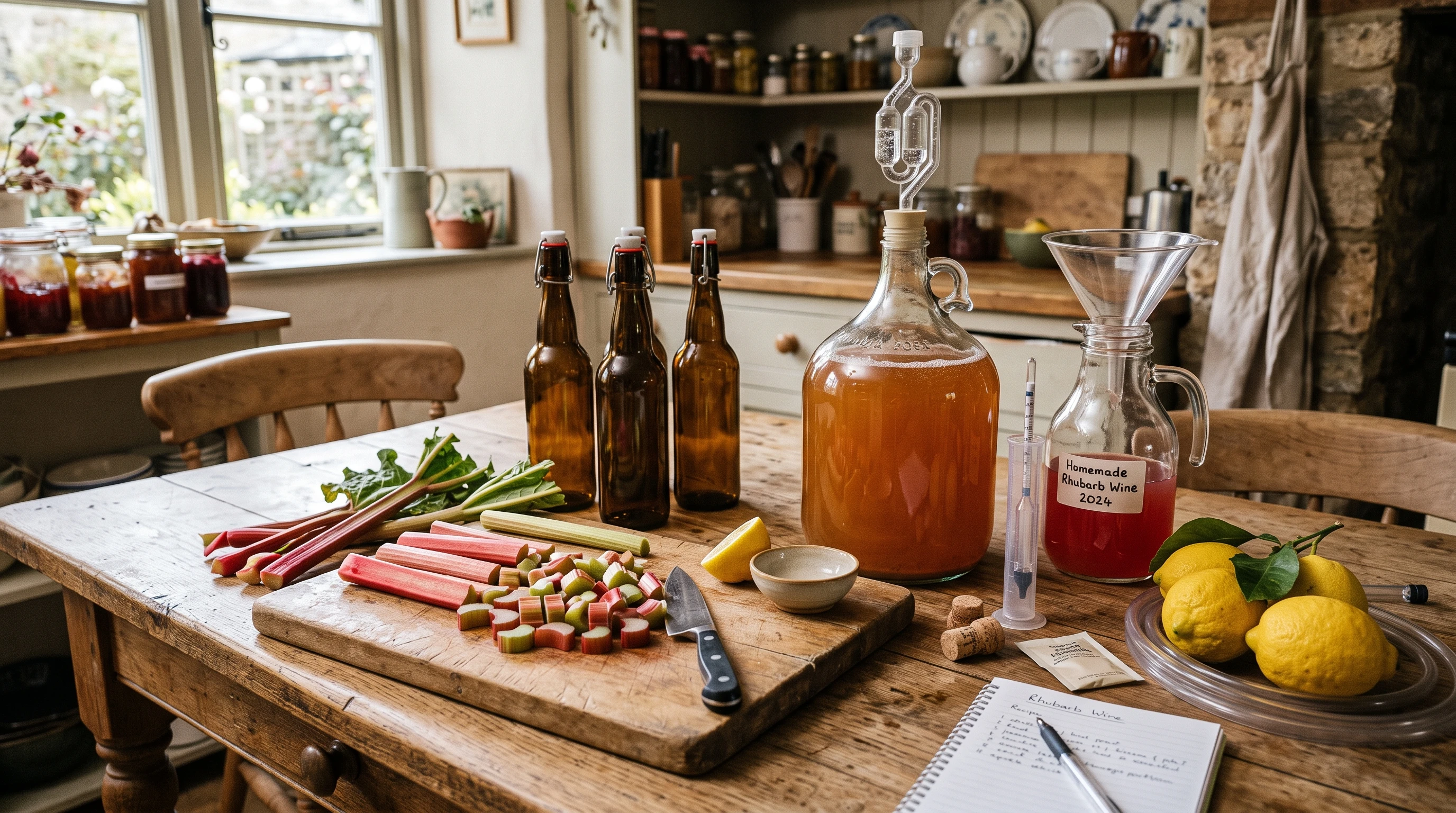
Before you get started, it helps to gather your ingredients and have a basic setup for home winemaking. You don’t need any super advanced gear, but you will need:
- Fresh rhubarb stalks (about 4 lbs for a 1-gallon batch)
- Granulated sugar (roughly 2-3 lbs, depending on desired sweetness)
- 1 lemon (for juice and zest)
- Wine yeast (see section below for best options)
- 1 Campden tablet (optional, for sterilization)
- Pectic enzyme (helps break down rhubarb, makes clearing easier)
- 1-gallon glass fermenter or demijohn
- Airlock and bung
- Large pot
- Cane sugar (for priming, if bottling for sparkling)
- Siphon tube
- Bottles and corks or caps
If you’re new to homebrewing, you might pick up a small starter kit online that brings together many of these basic tools. Clean equipment is a must—wash and sanitize thoroughly before use.
Step-by-Step: How to Make Rhubarb Wine
Making rhubarb wine isn’t complicated if you break the process down into clear steps. Here’s the routine I follow for a 1-gallon batch:
- Prep the Rhubarb: Wash and chop the rhubarb stalks into small chunks. Toss them into a big bowl or bucket. Pour sugar over the rhubarb and mix well so the pieces are coated. Cover the bowl with a clean towel and let it sit (some folks use plastic wrap) for 24 to 48 hours. The sugar draws out the juice, leaving lots of liquid at the bottom. This step helps extract maximum flavor and starts to soften the rhubarb for easier juice release.
- Extract the Juice: After a couple of days, transfer the sugary rhubarb and juice into your big pot. Add enough boiling water (about 2.5 to 3 quarts) to cover everything. Stir to help dissolve remaining sugar. Let the mixture cool to room temperature. This makes sure the yeast can thrive once you add it in the next steps.
- Add Lemon and Enzymes: Add the juice and zest of one lemon, and a dose of pectic enzyme according to the label. If you’re using a Campden tablet for sterilization, crush and mix that in now. Wait 12 to 18 hours for the pectic enzyme and Campden to do their work. This resting period tones down the risk of spoilage and ensures a clearer final wine.
- Strain into Fermenter: Strain the liquid through a clean cheesecloth or fine mesh bag, pressing the rhubarb to get out as much liquid as possible. Pour the liquid into your sanitized fermenter.
- Pitch the Yeast: Sprinkle your wine yeast over the liquid, or prepare it according to the packet instructions. Fit the fermenter with an airlock so natural gases can escape but wild yeasts can’t get in.
- Primary Fermentation: Let it ferment for 5 to 7 days at room temperature, swirling gently every day. You’ll notice bubbling as the yeast gets to work. The wine will start to develop its body and bold notes during this phase.
- Secondary Fermentation: When bubbling settles, siphon the wine off the sediment (this is called racking) into a clean fermenter. Attach the airlock again. Let it ferment for another 4 to 6 weeks, or even longer for a clearer, smoother wine. You might want to rack again halfway through for an even cleaner result.
- Bottle: Once fermentation stops and the wine looks clear, siphon it into clean bottles. Cork or cap them, then store somewhere cool and dark. Patience during this step pays off with a finished product that’s smooth and refined.
- Age: Rhubarb wine can taste sharp right away but mellows nicely after 3 to 6 months. If you can wait, 9 to 12 months is even better. Longer aging allows complex flavors to come forward and boosts the drink’s smoothness.
Making any wine at home is a learning experience. Don’t hesitate to check out various methods or adjust the recipe as you go—what works best in your kitchen might be a little different than in someone else’s. Keep tasting as you go (clean utensils only!) so you can spot changes and get a feel for the transformation.
What Is the Alcohol Content of Rhubarb Wine?
Most homemade rhubarb wine lands in the 10 to 12 percent ABV (alcohol by volume) range, similar to a classic white wine. The exact number depends on the sugar you add and the yeast you use. If you bump the sugar a little higher and use a robust wine yeast, you can easily reach the upper end of that range. I usually aim for 11 to 12 percent, since it feels balanced and not too hot or heavy on the palate. You can measure ABV more precisely by using a hydrometer before and after fermentation—there are plenty of online calculators to help do the math based on your readings.
The Best Wine Yeast for Rhubarb Wine
Wine yeast can make a real difference in how your rhubarb wine turns out. While you could get by with bread yeast in a pinch, it usually creates more off-flavors and doesn’t ferment as cleanly. For a reliable batch, I’ve had the most success with these wine yeast types:
- Lalvin EC-1118: This is super reliable, works even if your kitchen is a bit chilly, and creates a clear, dry wine. Good for fruity white wine styles.
- Red Star Côte des Blancs: This brings out more fruit and floral notes. If you like a little sweetness and aromatic complexity, it’s worth checking out.
- Lalvin K1V1116: This does really well with fruit wines and preserves more of the delicate, zesty notes in rhubarb. Use it if you want the sharpness to come through.
All three are easy to find at homebrew shops or online, and each brings out something unique in the final bottle. I’ve used EC1118 for dry, crisp batches, and Côte des Blancs when I want a softer, more aromatic wine. Consider experimenting with different yeasts to track down your preferred style—you might stumble upon something new you love.
Tips for Success and Common Mistakes
- Use Only the Stalks: The leaves of rhubarb are toxic, so only use the firm, colorful stalks. Don’t worry if you have a mix of green and red; both work fine.
- Watch the Sugar: Too little sugar and your wine won’t have enough alcohol or might taste too sharp. Too much, and the yeast may stall, leaving you with a too-sweet result.
- Acidity: Rhubarb is naturally tart, but you can control the acidity by adjusting the lemon juice or blending with apple juice for a softer wine.
- Patience Pays Off: Young rhubarb wine can taste raw or grassy. Give it enough aging time. Flavors mellow and smooth out as the wine rests.
- Sanitize Everything: Cleanliness is super important with any homebrew project—keeping an eye out for stray microbes really reduces the chances of funky flavors.
- Optional Flavor Ideas: Stumble upon a unique flavor by adding a cinnamon stick, some ginger, or even a vanilla bean to the primary fermenter. These touches can add depth and make your wine stand out.
Taking notes during each step pays off. You’ll be able to recreate your favorites, switch things up as you learn, and avoid mistakes in future batches. If things go a little sideways, don’t be afraid to start again—trial and error is part of the fun.
Real-World Uses for Rhubarb Wine
Homemade rhubarb wine fits in just about anywhere you’d use a dry rosé or a zesty white. Here are a few ideas based on what I’ve tried:
- Serve it chilled on a warm evening; great with grilled seafood or mild cheeses.
- Pair with light pasta dishes, fruit salads, or a strawberry rhubarb dessert—the flavors play well together.
- Gift bottles to friends who appreciate unique, homemade drinks.
- Use it as a spritzer by mixing with club soda and a wedge of lemon for a summertime sipper.
- Try cooking with it—rhubarb wine can give a boost to pan sauces or deglazing when preparing chicken or fish.
Every batch comes out a little different, which is a big part of the fun. If you make a few bottles, try some after a few months and save one for a year down the road. You might be surprised by how much the flavors switch up and mellow over time. Rhubarb wine is also ideal for sharing at seasonal gatherings—its crisp character and eye-catching hue often get people talking.
Frequently Asked Questions
Question: Does rhubarb make good wine?
Answer: Rhubarb makes a crisp, slightly tart wine that’s light and refreshing. It’s a solid option for anyone who likes white or rosé wines and wants something a little different from traditional grape varieties.
Question: What is the alcohol content of rhubarb wine?
Answer: Most homemade rhubarb wine falls between 10 and 12 percent ABV, depending on how much sugar you add and what yeast you pick.
Question: What is the best wine yeast for rhubarb wine?
Answer: Lalvin EC1118 is a popular all-around choice, but Red Star Cote des Blancs and Lalvin K1V1116 also work well. Pick one based on whether you want your wine dry or slightly sweet and aromatic.
Question: Can you blend rhubarb with other fruits for wine?
Answer: Absolutely. Blends with strawberries, apples, or other fruits are common and can balance the sharpness of rhubarb. Just adjust the sugar and acid amounts as needed.
Question: How long does homemade rhubarb wine last?
Answer: If stored in cool, dark conditions, homemade rhubarb wine can last a couple of years or more. Usually, it’s at its tastiest within the first 18 months.
If you’re ready to jump into home winemaking, rhubarb is a perfect place to start. The process is simple, ingredients are easy to find, and the results will make you proud to serve your own next-level cool, pinkish wine at any gathering. Check out local rhubarb when it’s in season and kick things off this year—you may stumble upon a new favorite sip.