
Choosing what I eat has always felt important to me, and I’ve noticed many people share my curiosity about organic foods. Nowadays, with more options popping up at grocery stores, knowing whether organic foods are truly more nutritious is a common question. Let me share my own experiences as well as what I’ve learned from nutrition experts, scientific research, and the choices I’ve made to help you understand why so many believe organic foods can offer real nutritional benefits.
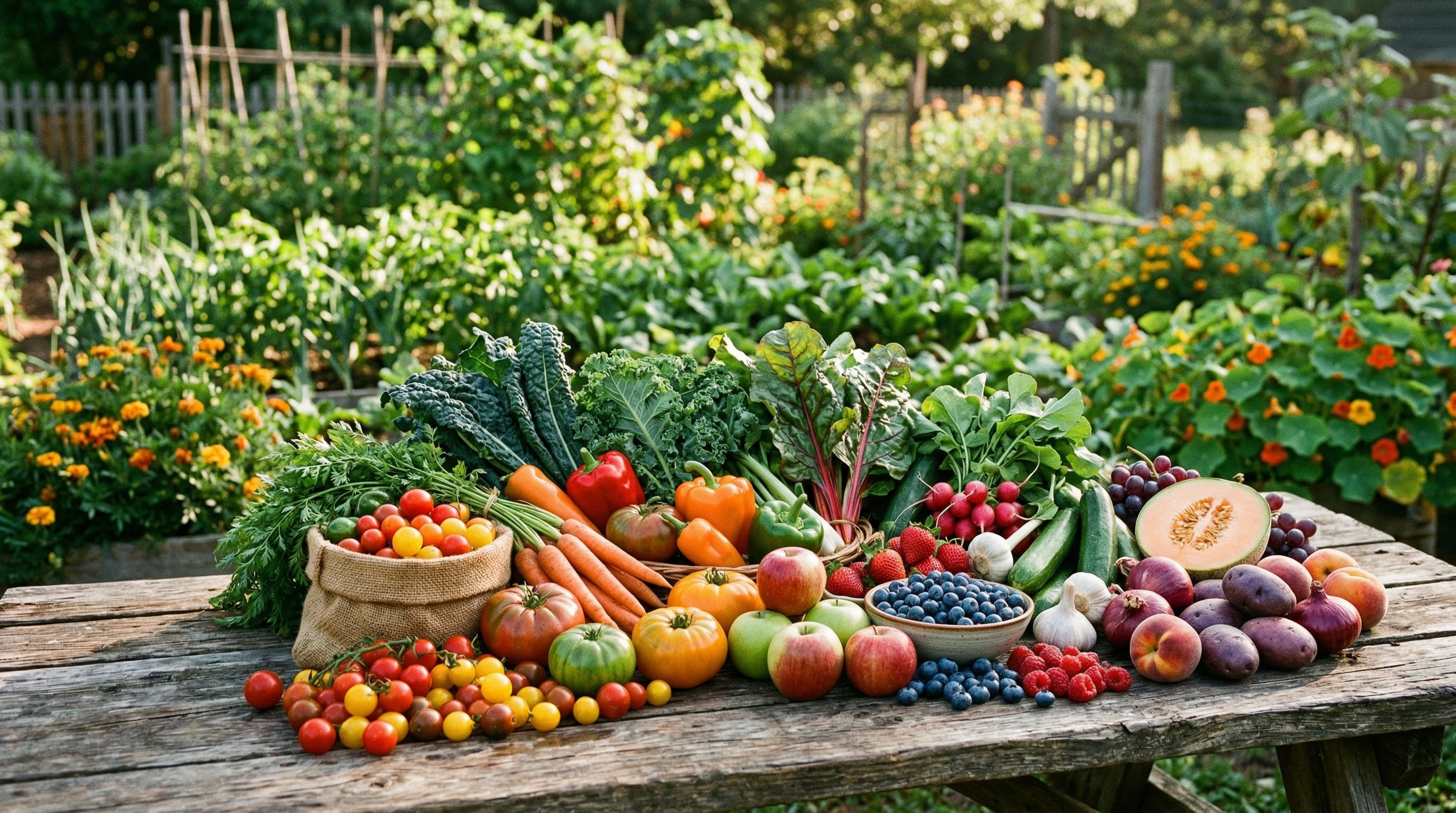
What Makes Food Organic?
When I’m picking groceries labeled organic, I know they’re produced without synthetic pesticides, artificial fertilizers, genetically modified organisms (GMOs), antibiotics, or growth hormones. Organic food producers use natural methods like crop rotation, composting, and biological pest control. This approach aims to produce healthier food and helps protect the environment and animal welfare at the same time.
The official standards for organic labeling vary by country, but in the United States, the USDA’s National Organic Program sets the rules. Fruits and vegetables must be grown in soil free of prohibited substances for at least three years to earn the organic label. Animals raised organically must have access to the outdoors and be fed organic feed.
Are Organic Foods Healthier?
A question I’m often asked is whether organic food is healthier than non-organic options. Based on research and my own experience, organic foods tend to contain less pesticide residue and fewer additives. Studies suggest organic produce usually has higher levels of certain beneficial compounds, like antioxidants. For instance, a review published in the British Journal of Nutrition found organic crops had much higher concentrations of antioxidants compared to conventional crops.
When I eat organic, I feel good knowing I’m reducing my exposure to chemical residues. The Environmental Working Group (EWG) releases yearly reports on pesticide residues found in common fruits and vegetables, and these almost always show much lower levels in organic versions. While some skeptics point out that the nutrition gap isn’t always huge, even small but consistent differences add up over time, especially if you eat a lot of fresh produce.
How Organic Foods Stack Up Against Conventional Foods
If you’re comparing organic to conventional foods (made with standard farming methods), the main differences come from the production process, and these have direct effects on nutrition and health. Organic foods are generally free from synthetic chemicals, with much lower pesticide residues. In animal products, you’re less likely to find traces of antibiotics or hormones.
Some people ask me, “Why is organic food better than inorganic food?” In my view, organic farming doesn’t just matter for the environment. Choosing organic often means you’re getting food grown in richer, more naturally balanced soils, which many studies link to higher nutrient content. The UK’s Soil Association reports that organic milk and meats often contain more omega-3 fatty acids—this healthy fat supports heart health—than conventional alternatives.
If you’re worried about antibiotic resistance, organic foods offer another plus. Since organic livestock can’t routinely be given antibiotics, these products help minimize the risk of resistant bacteria getting into the food supply.
Do Organic Foods Really Have More Antioxidants and Vitamins?
One of the big selling points of organic foods is their higher potential nutrient content, especially antioxidants and vitamins. I’ve checked out dozens of studies, and while results can vary, a lot point to real benefits. Organic crops seem to have around 20-40% more antioxidants than non-organic crops. These antioxidants, like polyphenols and flavonoids, help protect our cells from damage. A big review published in 2014 found organic produce had notably higher antioxidants, sometimes equal to eating an extra serving or two of fruits or vegetables daily.
Vitamin content varies by crop and even weather, but for example, organic tomatoes have been found to be higher in vitamin C and other nutrients than their conventional counterparts. This makes sense to me when I think about how organic farming stresses plants just enough to strengthen their natural defenses, which usually means more nutrition for us.
Understanding the Drawbacks and Challenges
While I choose organic for lots of reasons, I have to be honest about the challenges, too. Organic foods can cost more, making it tricky for some families to buy everything organic. Sometimes their availability is limited, especially outside big cities, and not everything labeled organic is automatically healthy—organic cookies and chips are still treats, not daily must-haves.
Another thing I think about is that the nutrient difference isn’t always dramatic in every single fruit or vegetable. If you’re eating vegetables at all, whether organic or not, you’re already helping your health. Washing and peeling conventional produce where possible also helps reduce your exposure to pesticides if organic isn’t available or affordable.
Pesticide Residue
One reason I like reaching for organic items is to cut down on pesticide exposure. The rough estimate is that organic foods have about a third fewer pesticide residues than conventional kinds. The effects of long-term exposure to low doses of pesticides aren’t fully known, so I prefer to play it safe when I can.
Price and Access
I’ve noticed organic foods can cost anywhere from 10% to 50% more than conventional options. When my budget is tight, I focus on what I call the “Dirty Dozen”—these fruits and vegetables are more likely to have high pesticide residues—so I buy those organic when possible. For less risky items, I stick with conventional ones to make my dollars go further.
Tips for Selecting and Enjoying Organic Foods
For anyone thinking about adding more organic foods to their meals, here are a few things I find helpful:
- Buy in season: In season organic produce is usually fresher, cheaper, and more flavorful.
- Shop local: Farmers markets and local food co-ops give you high-quality organic food, and sometimes prices are better than big supermarkets.
- Prioritize: If you can’t buy everything organic, focus on high-risk foods like strawberries, apples, spinach, and tomatoes.
- Check for certifications: Labels like USDA Organic or EU Organic give you some peace of mind that you’re buying legit organic food.
What Is the No. 1 Healthiest Food in the World?
This is a fun question I hear often. While there’s not a single “healthiest” food—since variety really matters—lots of nutritionists say leafy greens like spinach, kale, and Swiss chard are top picks. Spinach, for example, packs iron, vitamin K, vitamin A, vitamin C, and folate, and it’s really low in calories. When grown organically, these greens often have higher levels of vitamin C and antioxidants. I use organic spinach in salads and smoothies, and I appreciate the flavor and freshness.
Other healthy all-star foods that often get mentioned are blueberries, salmon, and walnuts—all of which can be found from organic sources. The best diets focus on a variety of nutrient-rich, plant-based foods, ideally grown in healthy soils.
Frequently Asked Questions
Here are some of the most common questions I’ve heard from friends, family, and readers about organic foods:
Question: Is organic food always healthier than conventional food?
Answer: Organic foods usually have less pesticide residue and sometimes more nutrients, but how healthy your meals are depends on your whole diet. Eating plenty of fruits and vegetables of any kind is what matters most.
Question: Do organically grown crops have more antioxidants and vitamins?
Answer: Lots of studies show organic crops have higher levels of antioxidants and sometimes more vitamins, especially vitamin C and certain minerals. These differences can help give a boost to your overall nutrient intake.
Question: Why is organic food better than inorganic food?
Answer: Organic foods are made without most synthetic pesticides, antibiotics, and hormones, and generally have fewer chemical residues. They may also have higher levels of some nutrients. Organic farming mends soil, animal, and environmental health, which is good for everyone in the long run.
Question: What is the no. 1 healthiest food in the world?
Answer: There’s no single winner here, but organic leafy greens like spinach are top contenders for nutrient density, especially when they’re grown organically.
Making the Most out of Organic Foods
I’ve come to realize that eating organic is about more than just the nutrition facts. Organic foods connect me with farmers and producers who care about sustainable agriculture and animal treatment. By making thoughtful choices—maybe a basket of organic berries or a switch to organic eggs—I feel like I’m supporting a bigger cause.
If you want to step up your health and nutrition, organic foods can give real benefits, especially alongside a balanced, plant-focused diet. Sticking to a few staple organic items, choosing local options when possible, and mixing plenty of variety into your meals can all make a big difference over time.